


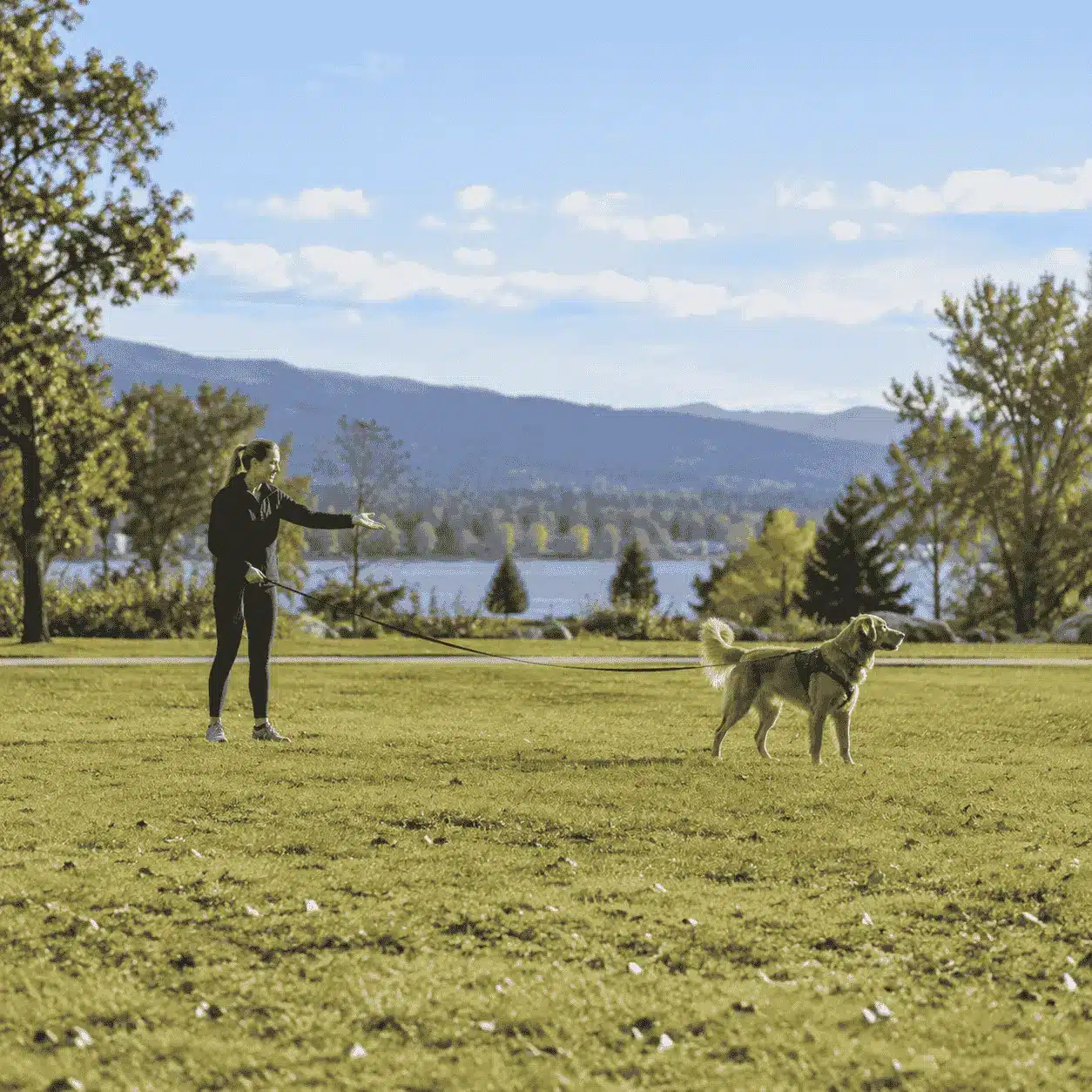
One of the most common frustrations dog owners experience is having a dog that listens beautifully at home but seems to forget everything the moment they step outside.
Inside the house, your dog listens to commands like sit, stay, and come, responding quickly to your voice. But outside, the same dog may pull toward other dogs, ignore commands, become distracted by smells, or act as though you are not even there.
This usually does not mean your dog is stubborn or intentionally disobedient. In most cases, the real issue is that the environment became much harder.
Your Dog Has Not Forgotten the Training
Dogs do not automatically generalize behaviors the way people often expect them to.
For example, your dog may understand “sit” in the kitchen, but that does not necessarily mean the behavior is fully reliable:
- In the backyard
- On the sidewalk
- Around another dog
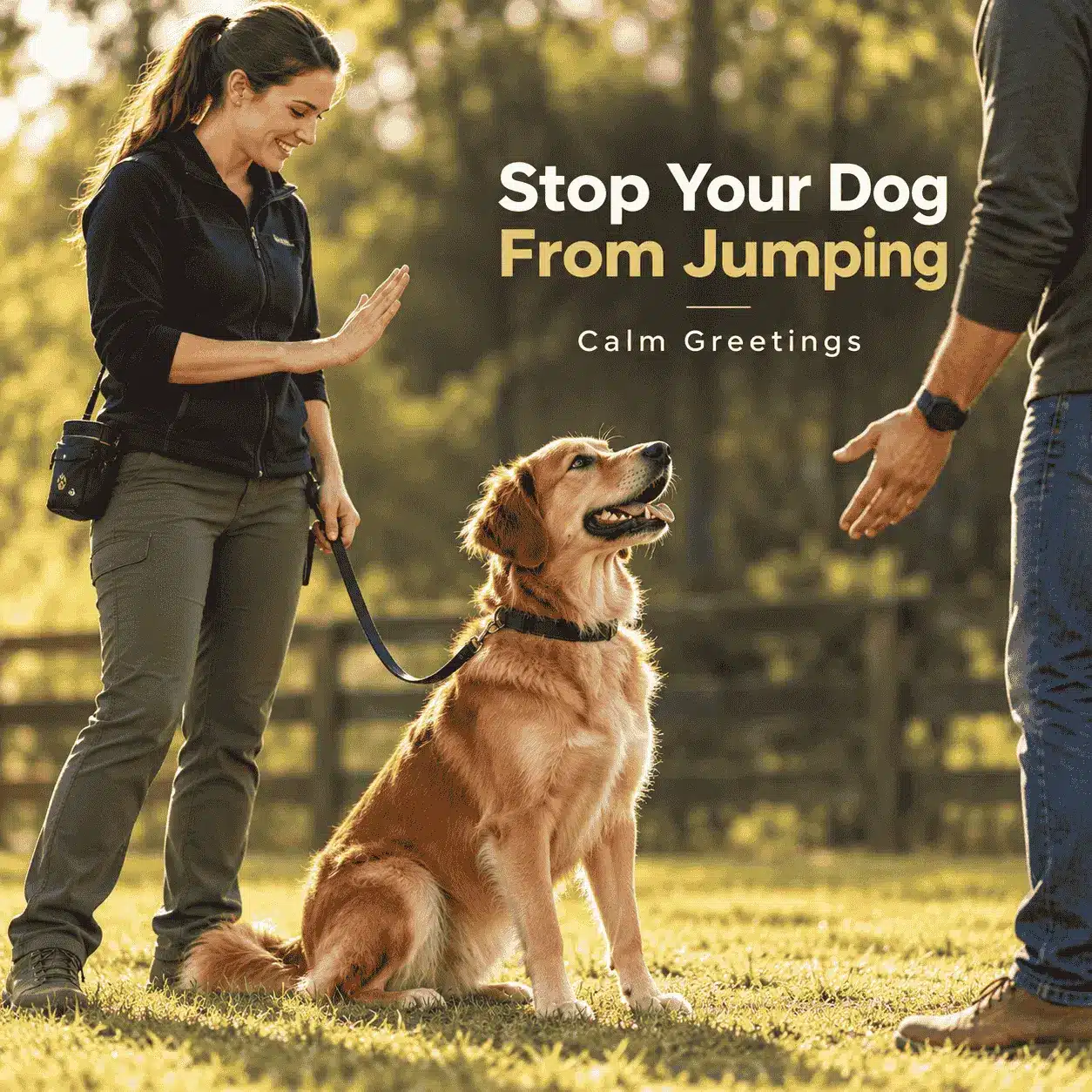
- Near children
- At the park
- In a busy parking lot
- Around wildlife or unfamiliar sounds
To a dog, each environment can feel like a completely different training situation.
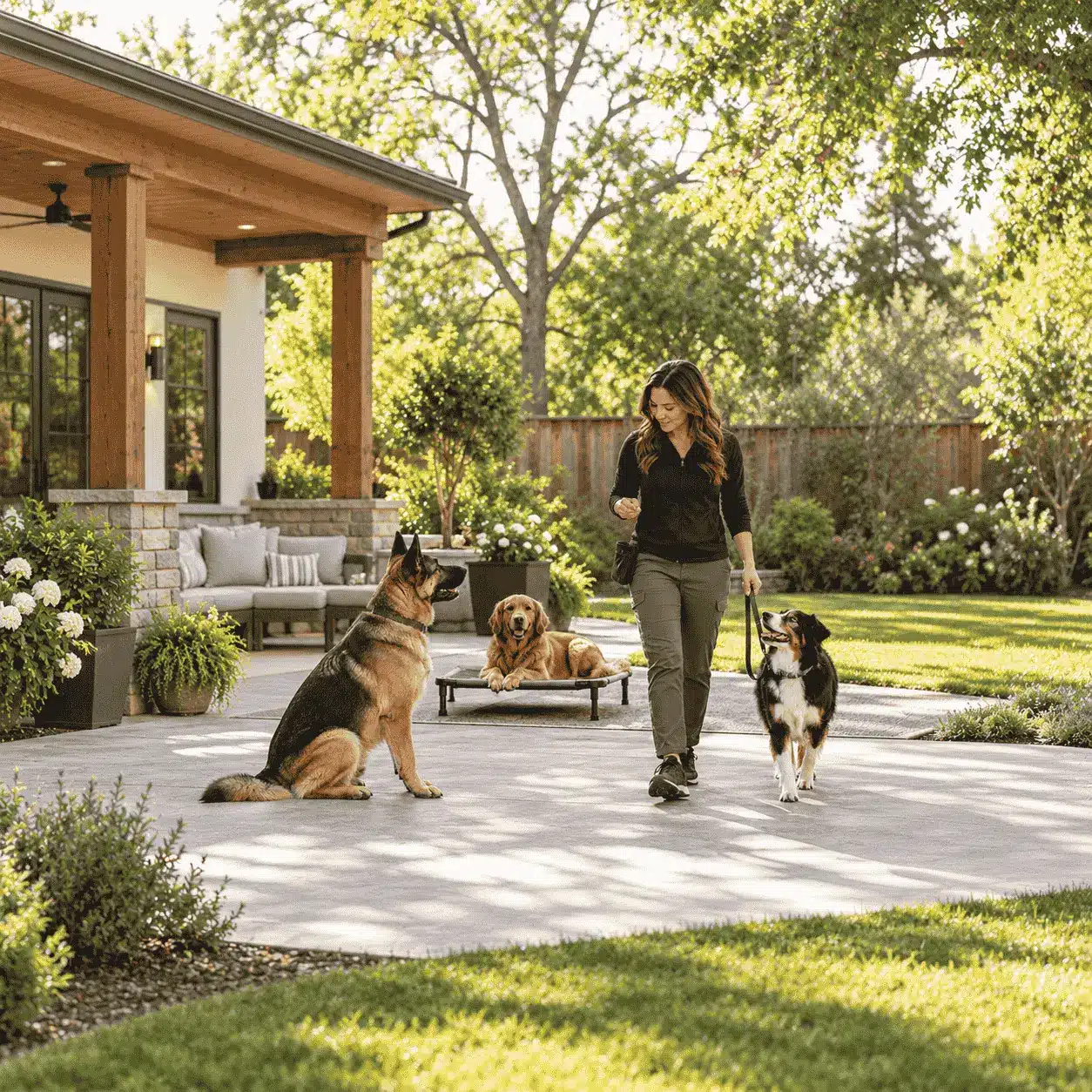
This is why training must be practiced in different places and around gradually increasing levels of distraction to help your dog listen consistently.
The Outside World Is Much More Rewarding
Your house is familiar. Your dog has already smelled the furniture, seen the same walls, and heard the same household noises hundreds of times.
Outside, everything changes.
Your dog may encounter:
- New smells
- Other dogs
- People
- Vehicles
- Wildlife
- Food on the ground
- Moving objects
- Different surfaces
- Unfamiliar noises
These distractions can be far more exciting than the reward you are offering.
If your dog normally responds to a piece of kibble in the living room but ignores it outside, that does not necessarily mean food has stopped working. It may simply mean that the environment has become more valuable than the reward.
Engagement Comes Before Obedience
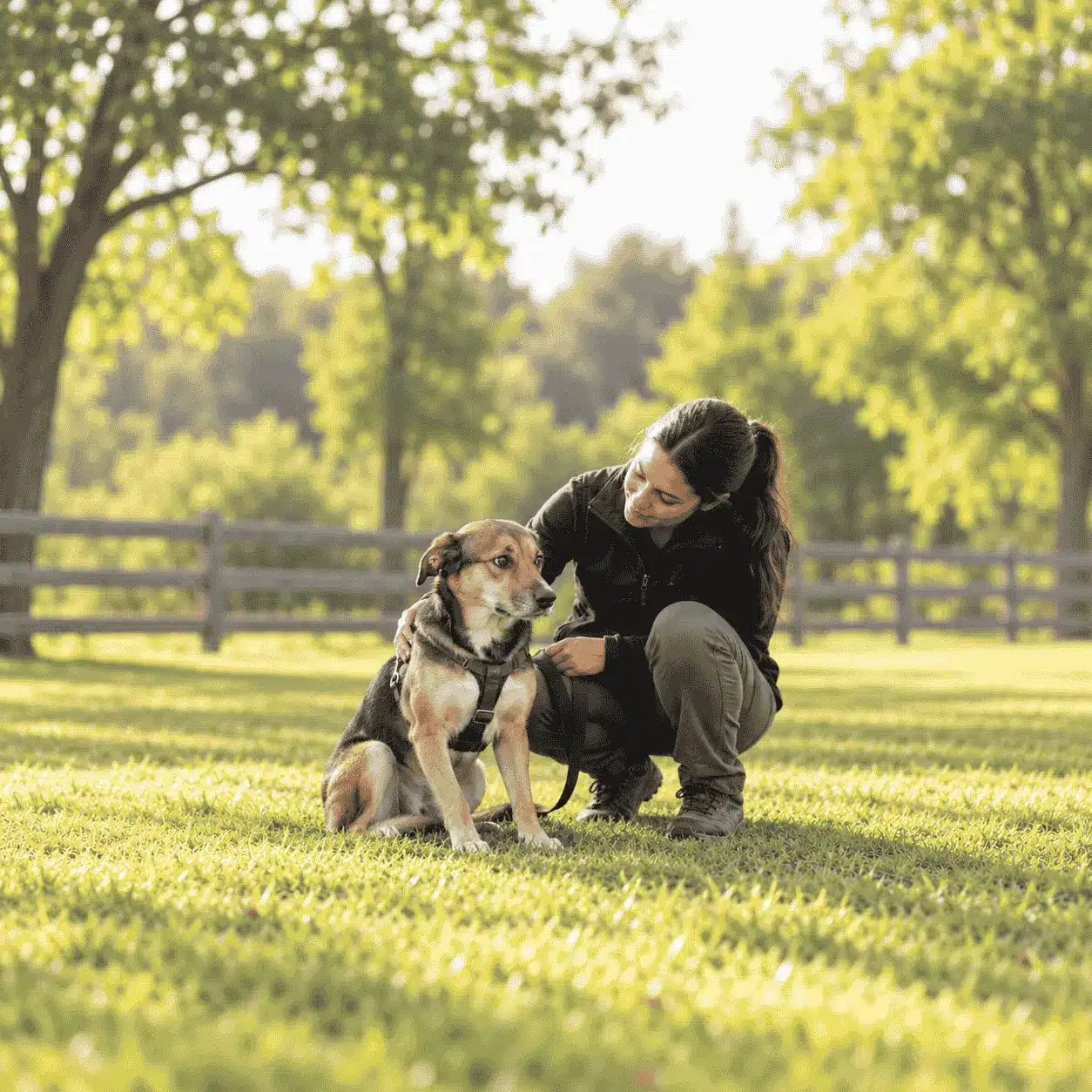
Before asking for perfect obedience outside, your dog needs to learn that paying attention to you matters.
Engagement means your dog is aware of you and willing to respond even when distractions are present.
You can build engagement by rewarding behaviors such as:
- Looking at you
- Checking in voluntarily
- Following your movement
- Responding to their name
- Walking with you
- Ignoring distractions
Depending on the dog, rewards may include:
- Food
- Praise
- Play
- Toys
- Movement
- Permission to sniff
- Access to something the dog wants
The reward should be meaningful to that individual dog.
What Is Proofing?
Proofing means practicing a behavior under different conditions until it becomes reliable.
If your dog understands “down” at home, the next step might be practicing:
- In the backyard
- In the driveway
- On a quiet street
- Near mild distractions
- At a park from a distance
- Closer to more difficult distractions
The mistake many owners make is moving from an easy environment straight into a very difficult one.
If your dog cannot focus around a single person walking across the street, start with basic dog focus training before expecting perfect obedience in the middle of a crowded event.
Training should progress gradually.
Distance Is a Training Tool
When distractions are too intense, increasing distance can help.
For example, if your dog becomes highly reactive when another dog is 10 feet away, you may have much better success training from 50 feet away.
At that distance, your dog may still notice the other dog but remain capable of thinking and responding.
As skills improve, you can gradually work closer.
This concept is especially important for dogs dealing with:
- Reactivity
- Fear
- Overexcitement
- Frustration
- Impulse-control problems
Balanced Training Means Clear Communication
At Ultimate K9, balanced training does not mean using the same technique or tool with every dog.
It means creating a clear communication system that may include:
- Positive reinforcement
- Praise
- Food
- Play
- Leash communication
- Structure
- Boundaries
- Management
- Appropriate corrections when necessary
- Training tools selected for the individual dog
The goal is not simply to reward everything or correct everything.
The goal is to teach the dog:
“This is what I want you to do, this is what earns reinforcement, and these are the boundaries you need to follow.”
Good training should be fair, understandable, and appropriate for that dog’s temperament and experience.
Consistency Matters More Than Perfection
A dog can become confused when the rules change from one day to the next.
For example:
One day the dog is allowed to pull toward another dog.
The next day the owner tries to stop the pulling.
Another day the dog gets to greet the dog after pulling.
From the dog’s perspective, pulling sometimes works.
That makes the behavior stronger.
Consistency helps make expectations clear.
Do Not Repeat Commands Over and Over
Another common mistake is saying:
“Come. Come. Come. Come!”
or
“Sit. Sit. Sit.”
When a dog repeatedly hears a command without responding, the cue can lose meaning.
Instead, teach the behavior clearly in easier environments and gradually increase difficulty.
Your goal is for the dog to understand that the first cue matters.
Your Dog May Need Better Motivation
Sometimes owners are surprised when their normal reward does not work in a harder environment.
That simply means you may need to adjust what you are using.
Higher-value food, movement, play, praise, or another reward may be more effective around distractions.
The better you understand what motivates your dog, the easier it becomes to make your dog listen and create productive training sessions.
When to Get Professional Help
You may want professional guidance if your dog:
- Completely shuts down outside
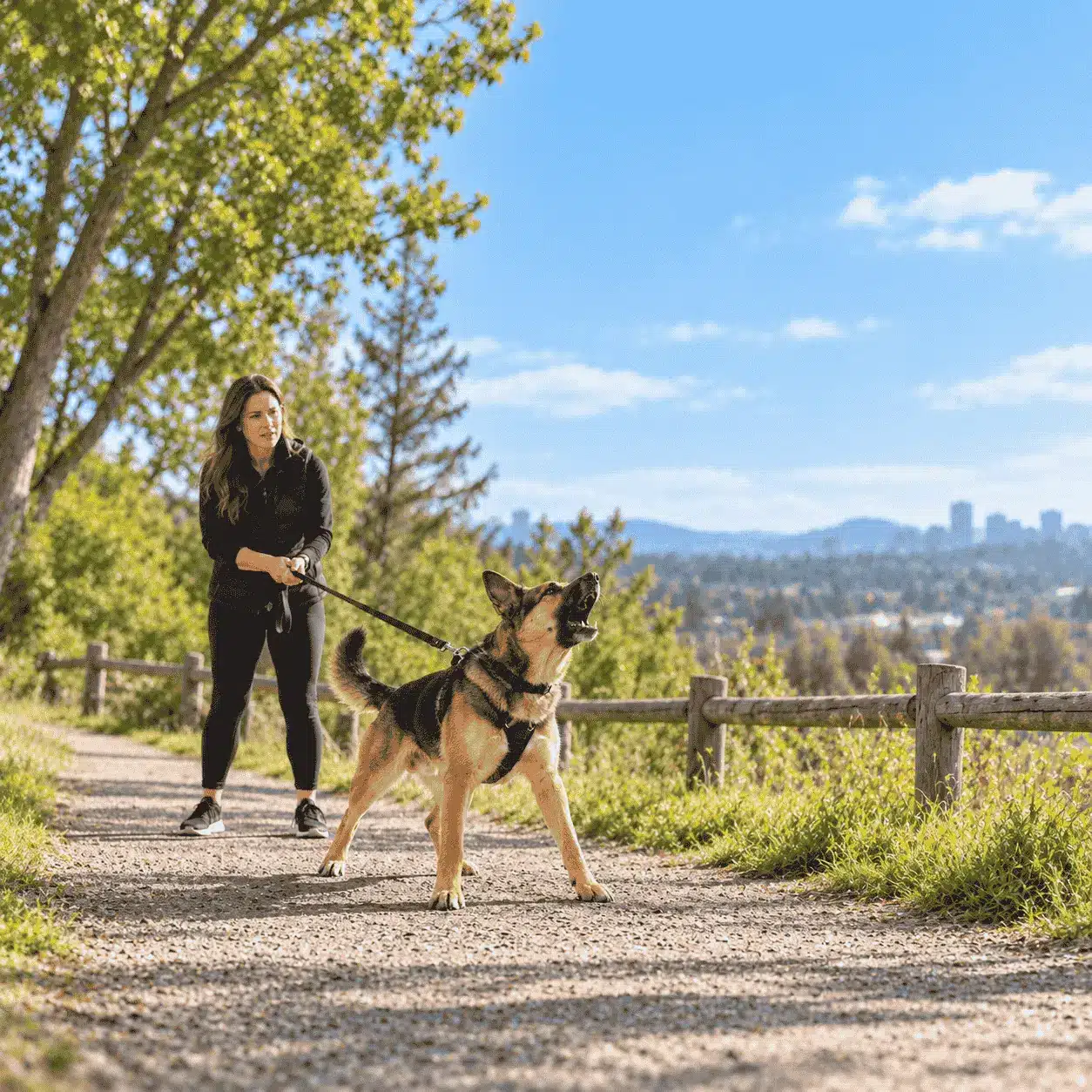
- Lunges or barks at other dogs
- Pulls so strongly that walks become difficult
- Ignores recall around distractions
- Becomes fearful in unfamiliar places
- Cannot focus even at greater distances
- Shows aggression or intense reactivity
An experienced trainer can help identify whether the problem is motivation, handling, fear, overexcitement, unclear communication, or simply a lack of proofing.
Build Reliability One Environment at a Time
Real-world obedience does not happen overnight.
Consistent repetition, clear communication, and practice in different environments help your dog listen reliably and follow commands.
If your dog listens perfectly at home but struggles outside, that is not failure.
It simply tells you where the next stage of training needs to happen.
Ultimate K9 can help evaluate your dog, identify where communication is breaking down, and create a training plan designed to improve focus and reliability in everyday situations.