
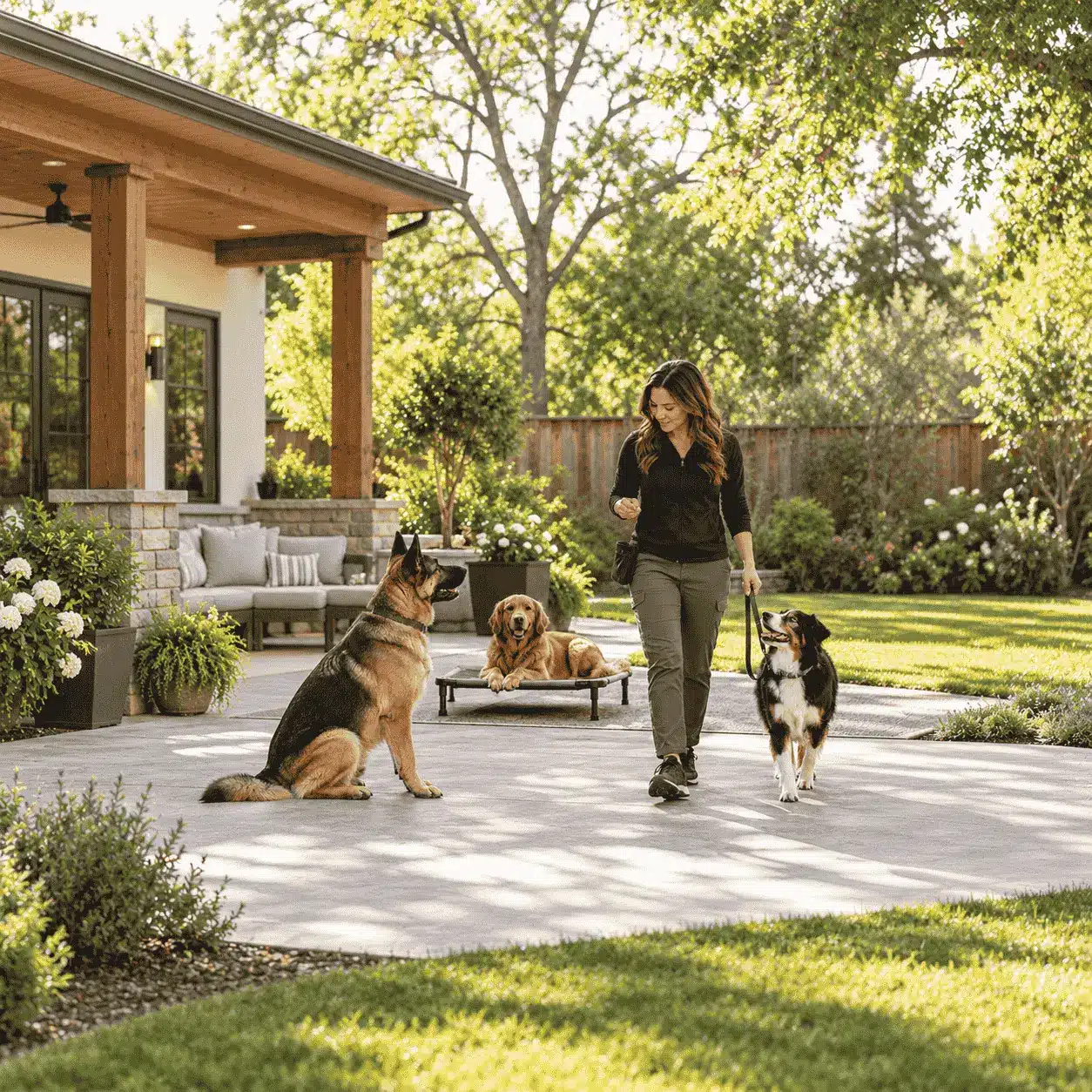
Living with multiple dogs can be incredibly rewarding.
Dogs can enjoy companionship, shared activities, and opportunities to interact with one another.
However, managing two or more dogs also introduces challenges that may not exist in a single-dog household.
One dog may become overly excited when the other barks. Two dogs may compete for attention, toys, food, or resting spaces. Training can become more difficult when each dog is responding to the other’s behavior rather than listening to the owner.
Without a clear routine, everyday situations can become chaotic.
The key to success is understanding each dog’s individual needs while creating consistent expectations for the entire household.
At Ultimate K9, our training philosophy emphasizes communication, structure, appropriate boundaries, and practical owner education.
Why Training Multiple Dogs Can Be Challenging
Dogs influence one another.
If one dog begins barking at the window, another may join in.
If one dog rushes toward the door, the other may follow.
If both dogs are competing for attention, excitement may quickly escalate.
This does not necessarily mean the dogs are aggressive or intentionally misbehaving.
They may simply be responding to excitement, uncertainty, competition, or habits that have become reinforced over time.
Training multiple dogs successfully requires both individual instruction and carefully managed group practice.
Start by Training Each Dog Individually
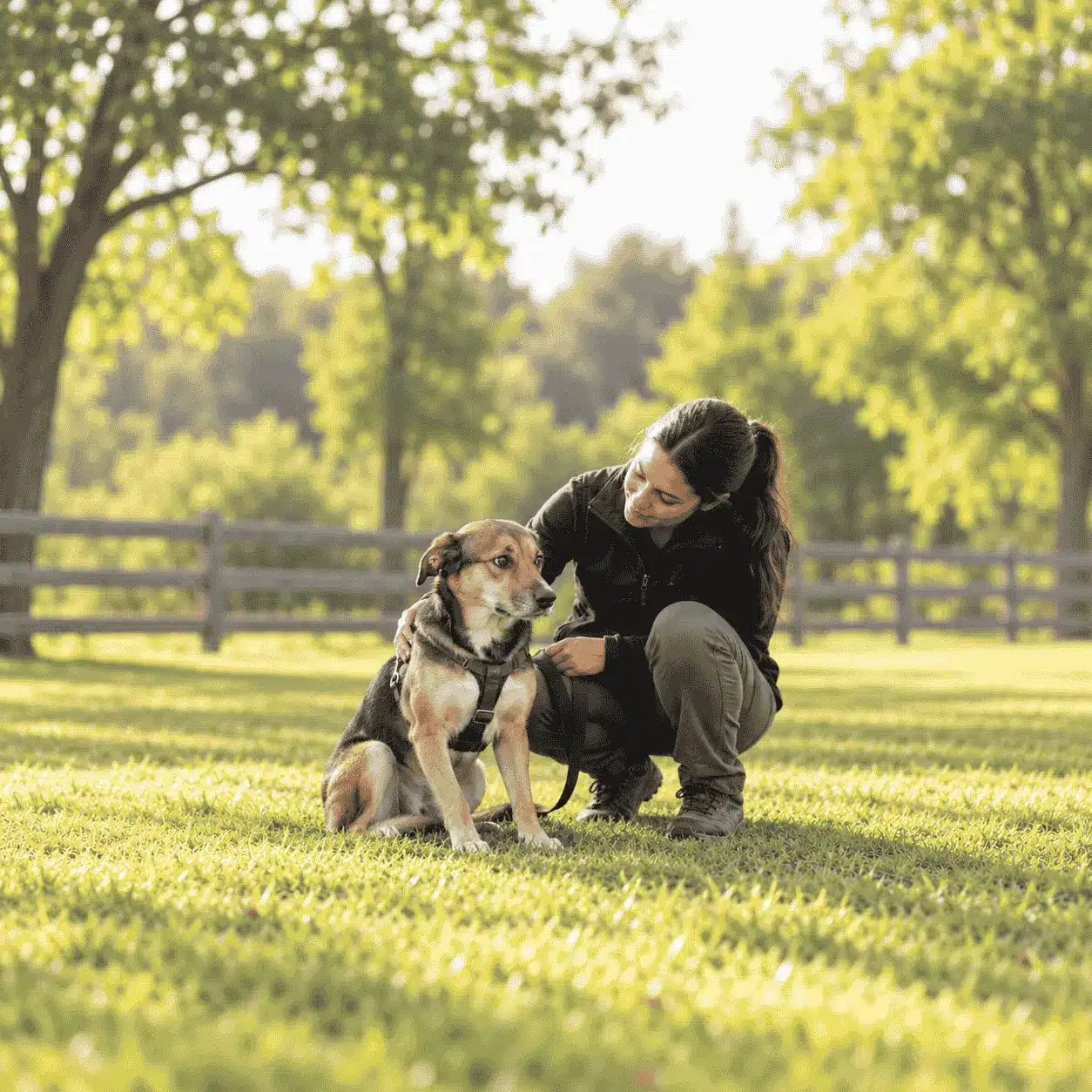
One of the most important principles of multi-dog household training is establishing reliable communication with each dog separately.
Before expecting two dogs to respond consistently together, make sure each understands the basic skills.
These may include:
- Sit
- Down
- Stay
- Come
- Place
- Loose-leash walking
- Leave it
- Waiting at doors
Individual sessions remove the distraction of the other dog.
This helps the handler identify each dog’s strengths, challenges, and learning needs.
Why One-on-One Training Matters
Two dogs living in the same home may have very different personalities.
One may be confident and energetic.
The other may be sensitive and cautious.
One dog may work enthusiastically for food, while the other prefers toys or play.
Expecting both dogs to respond to identical training strategies may make progress more difficult.
Individual training allows the owner to adjust motivation, difficulty, and reinforcement to each dog.
Once both dogs understand the behaviors, they can begin practicing together.
Create Consistent Household Rules
Clear expectations are particularly important in multi-dog homes.
Decide how you want your dogs to behave around:
- Doorways
- Visitors
- Food
- Furniture
- Toys
- Walks
- Resting areas
- Family members
For example, if both dogs rush toward the front door when someone arrives, establish a routine that requires them to wait in designated areas.
Predictable rules help reduce confusion and make handling easier.
Teach Each Dog a Separate Place Command
A reliable place command can be especially useful when managing multiple dogs.
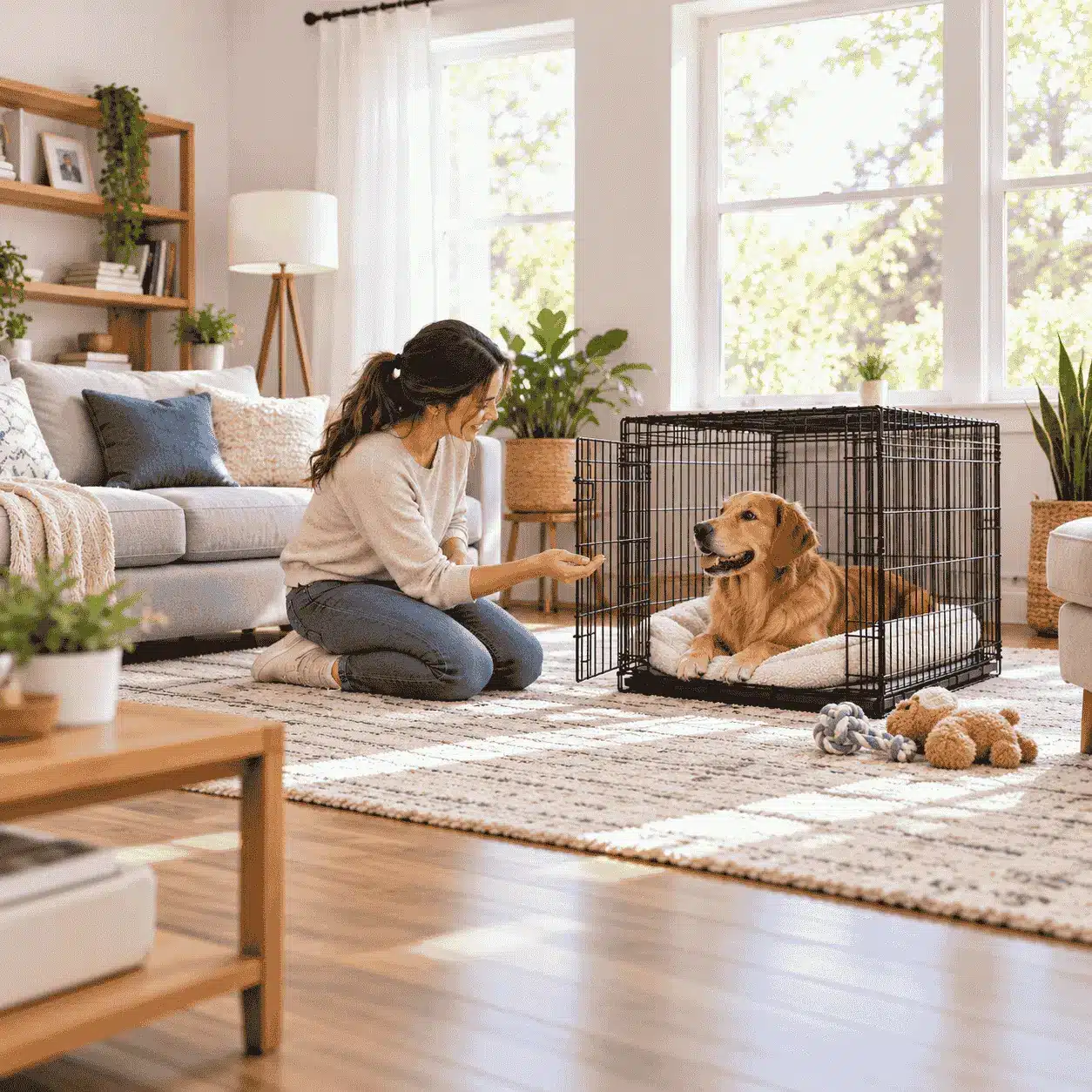
When Training Multiple Dogs, each dog learns to move to a designated bed or mat and settle there.
This provides a practical way to manage household activities.
For example, you may ask both dogs to go to their places while preparing meals, greeting visitors, or opening the door.
Begin by teaching the behavior individually.
When Training Multiple Dogs, practice with both dogs present, initially using enough distance to help each dog succeed.
Gradually increase distractions as their reliability improves.
Managing Food, Toys, and Other Resources
Resource competition is a common concern in multi-dog households.
When Training Multiple Dogs in one home, dogs may compete over food bowls, bones, toys, resting spaces, or attention from family members.
Some dogs share resources comfortably, while others become tense or defensive.
Watch for warning signs such as:
- Stiff posture
- Freezing
- Hard staring
- Blocking another dog’s movement
- Hovering over objects
- Growling
- Snapping
If either dog displays guarding behavior, avoid creating situations where conflict is likely.
Feeding separately, controlling access to high-value items, and providing separate resting areas can help reduce risk.
Do not force dogs to share resources to prove a point.
If guarding is escalating or has resulted in fights, seek professional guidance.
Avoid Creating Competition During Training
When training multiple dogs together, rewards should be delivered in a controlled manner.
If both dogs rush toward the same food reward or toy, competition can develop.
Early group sessions should be structured so each dog understands when they are expected to respond.
You can practice one dog holding a place command while the other performs a simple exercise.
Reward each dog appropriately and maintain enough space to prevent conflict.
Practice Calm Doorway Behavior
Doorways can be particularly exciting in homes with multiple dogs.
When the doorbell rings, both dogs may bark, run, jump, or attempt to reach the visitor.
Instead of allowing uncontrolled greetings, establish a predictable routine.
This may include asking each dog to go to their designated place or using a gate to manage movement.
The goal is to create calm, organized behavior rather than letting the dogs compete for access to visitors.
Walking Multiple Dogs Together
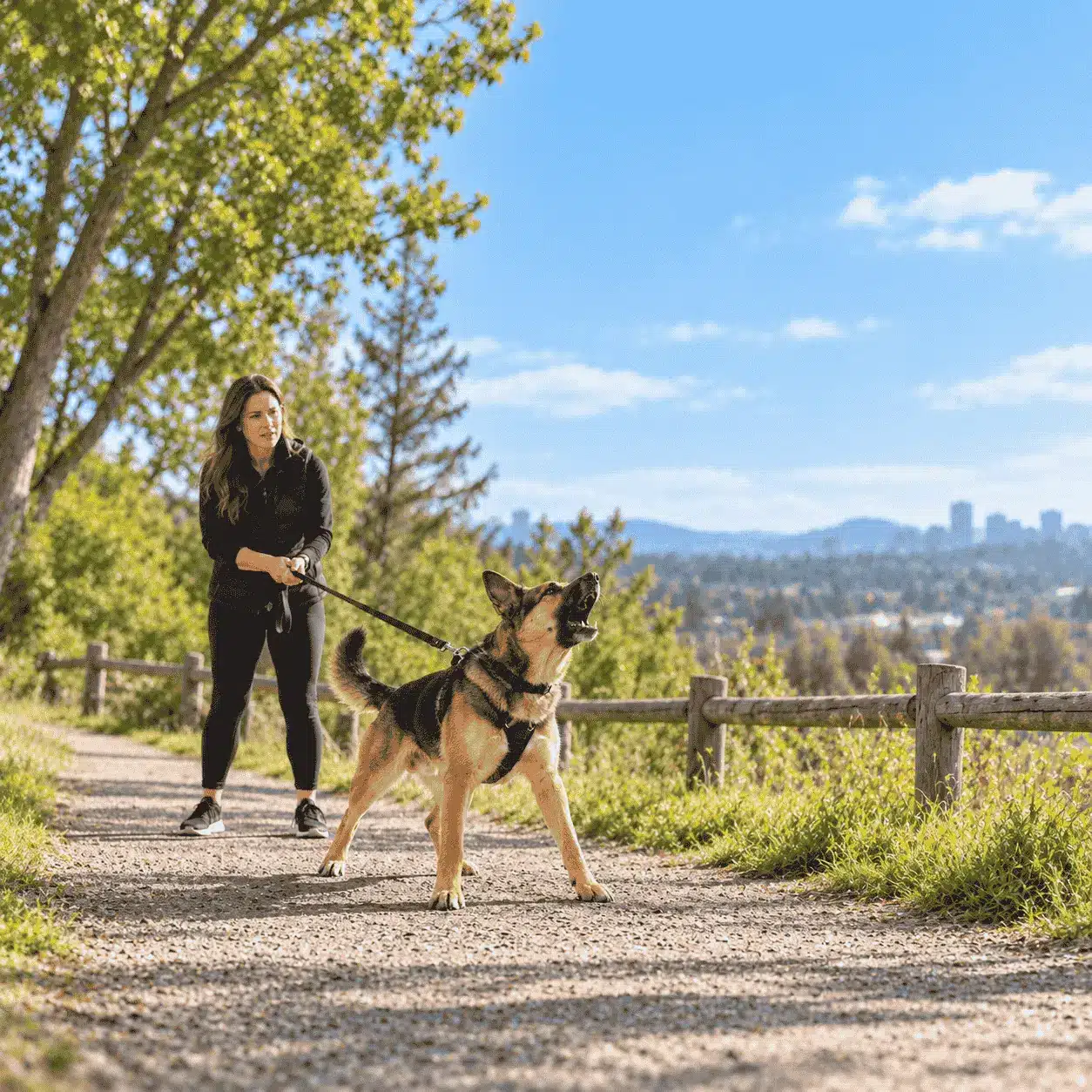
Walking two or more dogs can be challenging when one pulls, reacts, or becomes distracted.
Before attempting group walks, develop each dog’s leash skills individually.
When Training Multiple Dogs, each dog should understand how to walk comfortably without constantly creating leash tension.
Once they have a foundation, begin short walks together in quiet environments.
If one dog becomes overwhelmed by a distraction, create more distance and reduce difficulty.
A structured walk should support clear communication between each dog and the handler.
Building Impulse Control
Impulse control helps dogs manage excitement and make better choices.
Useful exercises include:
- Waiting calmly before meals
- Remaining on place while another dog moves
- Waiting before going through a doorway
- Walking past toys without grabbing them
- Responding to recall around mild distractions
- Settling while another dog receives attention
Practice these exercises at a level where each dog can succeed.
Gradually increase difficulty as their skills improve.
How Balanced Training Helps Multi-Dog Households
At Ultimate K9, balanced training focuses on understanding the individual dog while establishing clear expectations.
Training may incorporate positive reinforcement, structured routines, appropriate boundaries, management, and individualized communication.
The objective of Training Multiple Dogs is not to force them into a rigid relationship or make one dog dominate another.
Instead, we want each dog to understand how to respond to the handler and how to behave appropriately around the other dogs in the home.
An effective training plan considers temperament, motivation, training history, and the dogs’ existing relationship.
Owner consistency is especially important because unclear expectations can quickly affect the entire household.
How to Prevent Conflict Between Dogs
Conflict prevention begins with recognizing situations that create tension.
Some dogs struggle when competing for food or toys.
Others become uncomfortable when another dog approaches while they are resting.
Some react poorly to overexcited greetings or crowded spaces.
Management can reduce these triggers while new skills are being developed.
Helpful strategies include providing separate feeding spaces, supervising high-value resources, maintaining appropriate resting areas, and allowing dogs time apart.
If tension is present, do not force dogs into close interactions.
If a fight occurs, avoid putting your hands between the dogs or grabbing collars near their mouths. Seek professional advice on safe management and separation procedures.
Introducing a New Dog to Your Household
Bringing a new dog home requires careful planning.
A gradual introduction is generally safer than immediately allowing unrestricted interaction.
When Training Multiple Dogs, consider beginning with controlled, parallel walking in a neutral environment when appropriate.
Allow each dog to become familiar with the other’s presence without forcing direct contact.
Once home, supervise interactions and provide separate spaces for meals, rest, and high-value items.
Be especially cautious when one dog has a history of aggression or resource guarding.
When Should You Seek Professional Dog Training?
Professional help may be useful when:
- Dogs repeatedly fight or threaten one another.
- One dog guards food, toys, or people.
- The dogs become uncontrollably excited together.
- One dog cannot relax around the other.
- Group walks have become difficult to manage.
- One dog’s reactivity triggers the other.
- The household struggles with consistent obedience.
An experienced trainer can evaluate each dog individually and help determine what changes are needed in the household routine.
For serious aggression or repeated fights, veterinary behavioral support may also be appropriate.
Frequently Asked Questions
Should I train my dogs separately or together?
Can two dogs learn the same commands?
How do I stop my dogs from competing for attention?
Can group training classes help?
Create a More Peaceful Multi-Dog Household
Living with multiple dogs does not have to mean constant barking, competition, or confusion.
With individualized training, clear household expectations, and appropriate management, owners can help dogs develop better manners and more predictable behavior.
Ultimate K9 works with owners throughout Graham, Puyallup, Spanaway, Tacoma, and nearby Washington communities to develop practical Training Multiple Dogs plans that promote structure, improve behavior, and prevent conflicts.
Our Private Dog Training Lessons help address individual behavior and obedience concerns, while our Group Classes provide continued practice for qualifying dogs.
Need help managing two or more dogs?
Contact Ultimate K9 to discuss your household and learn about the training options available.