
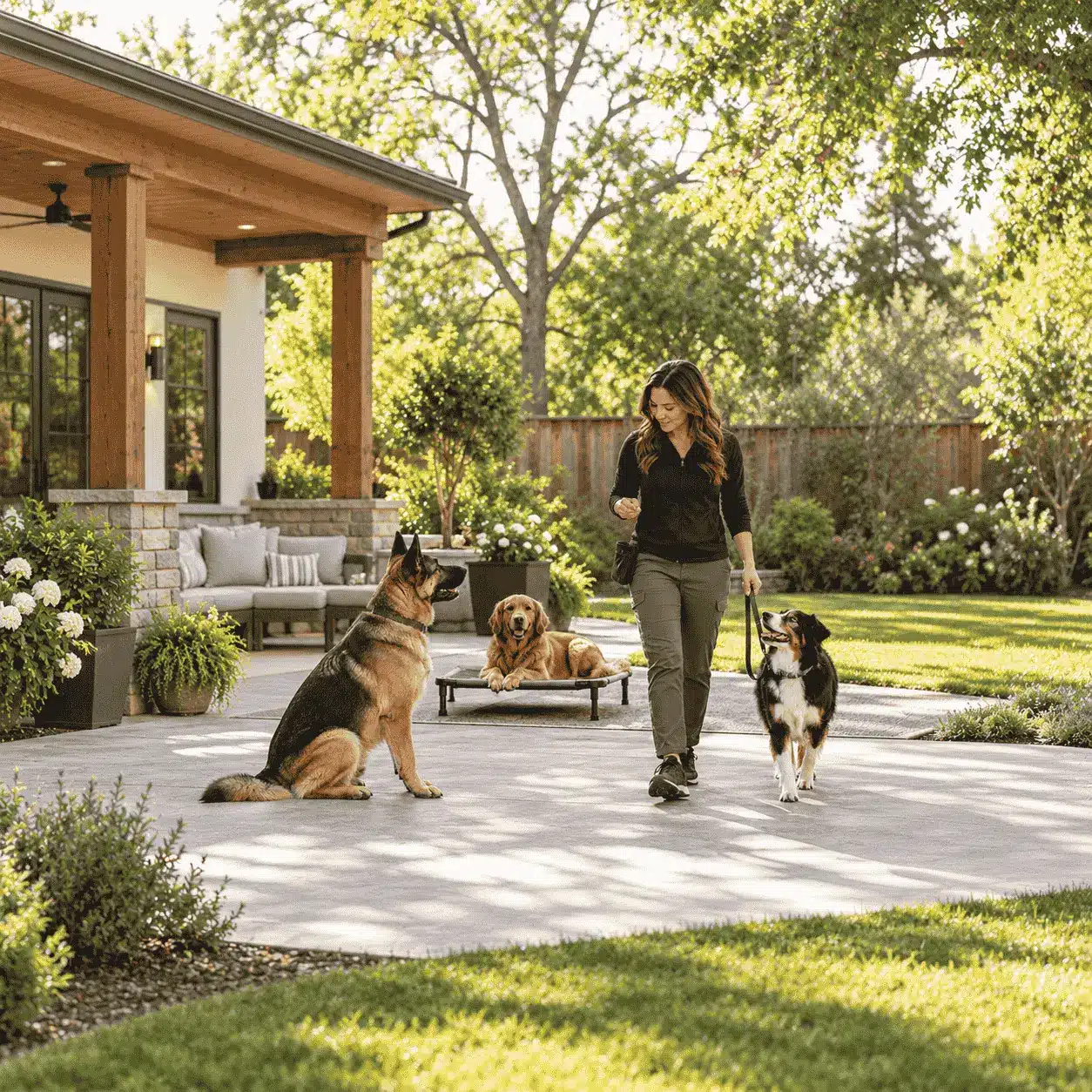
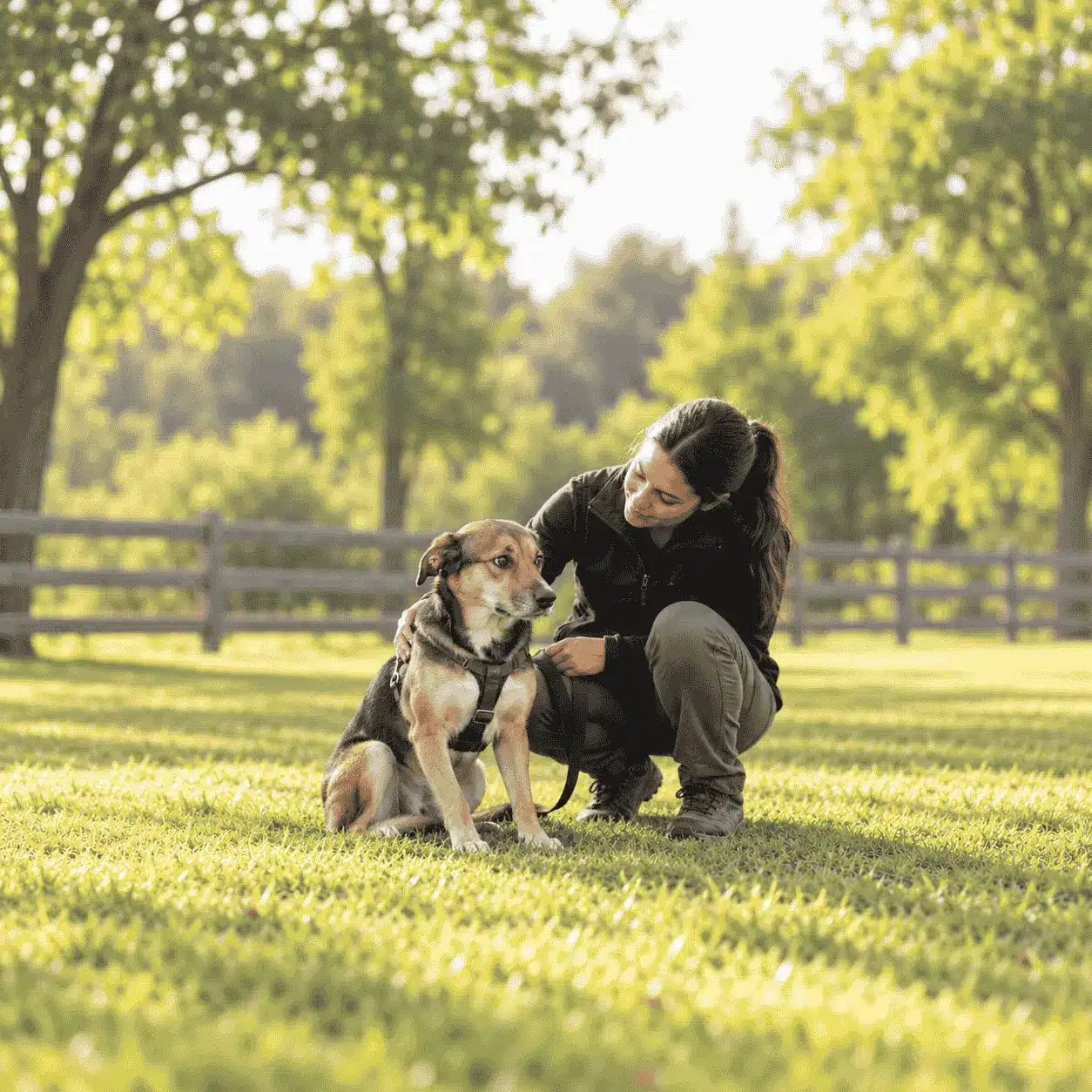
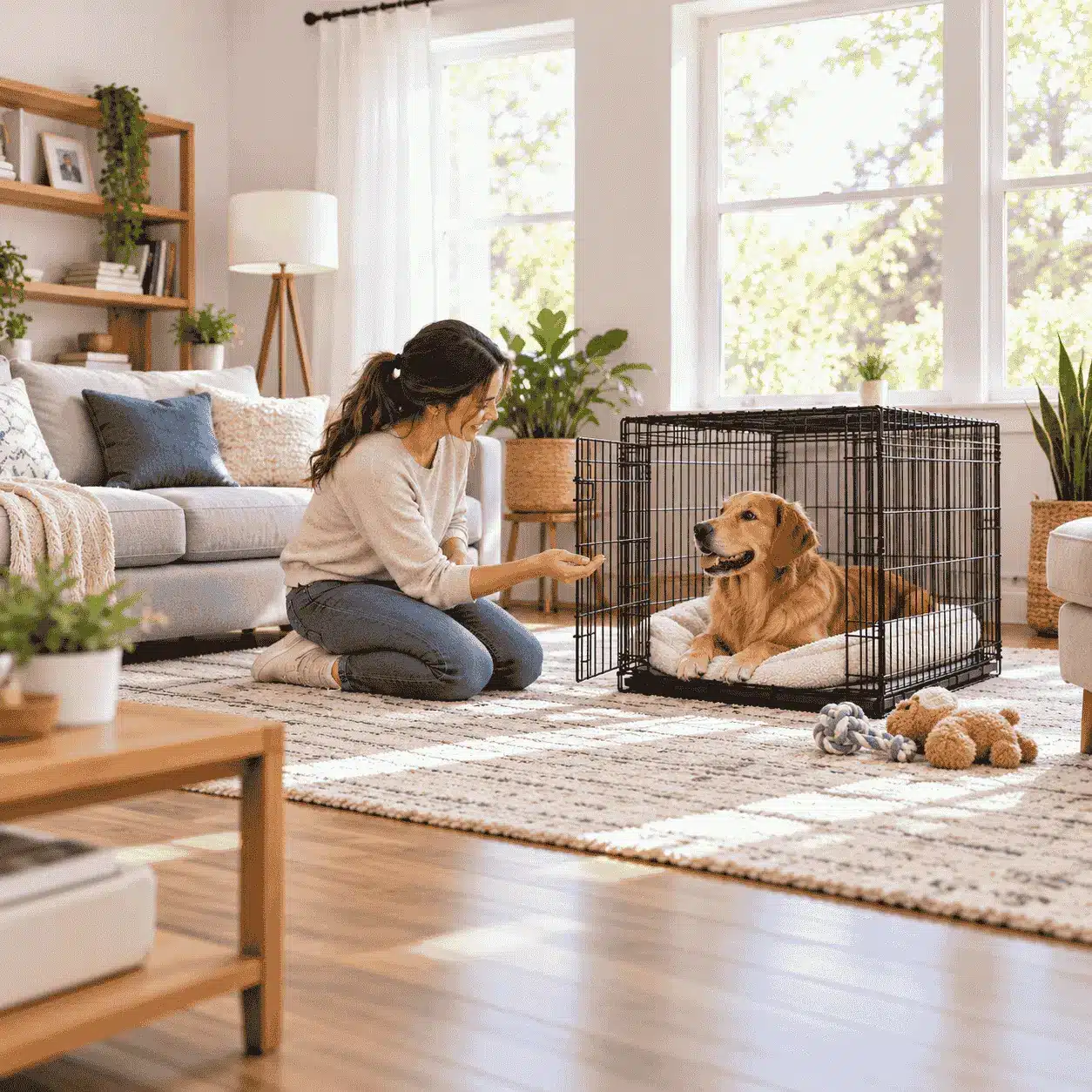
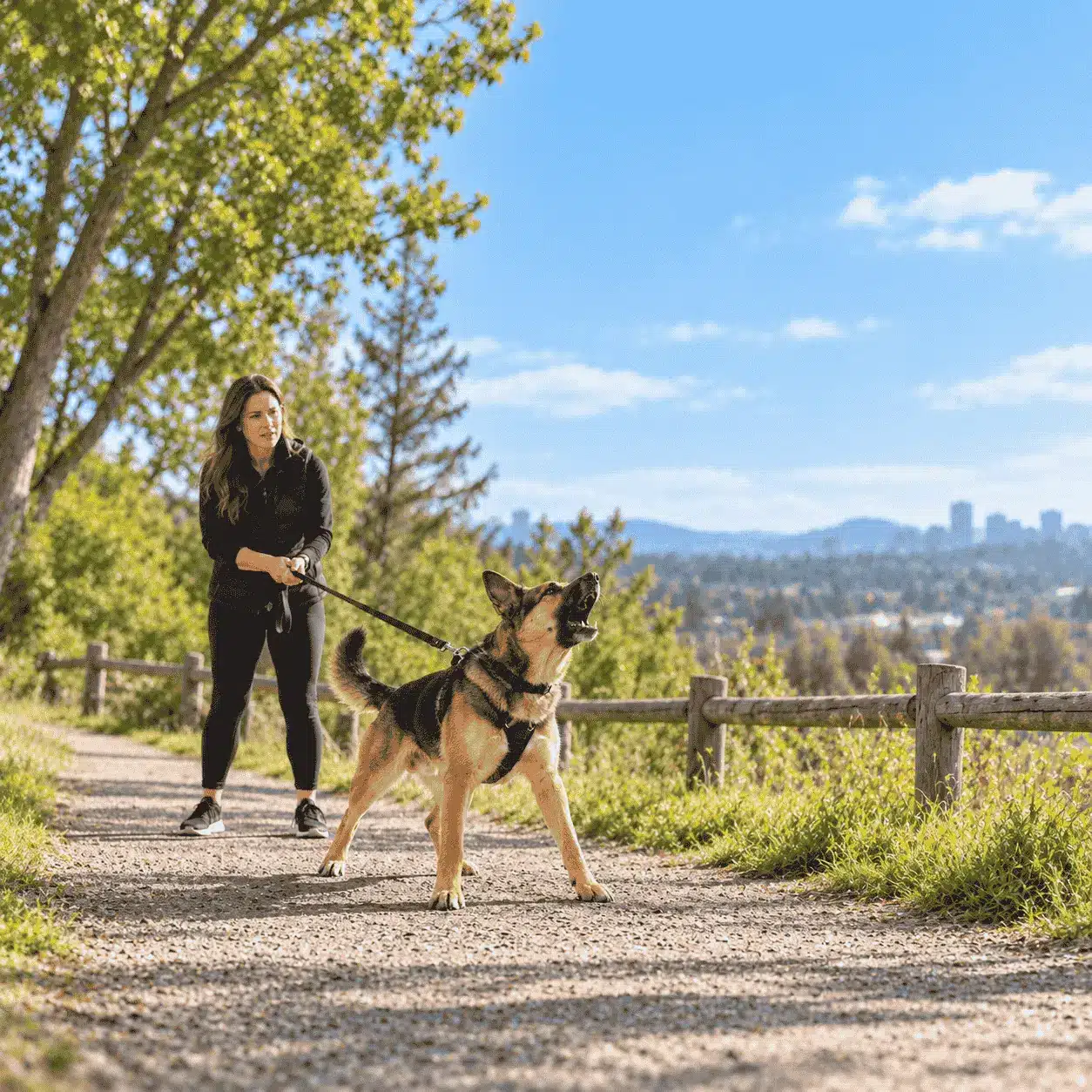
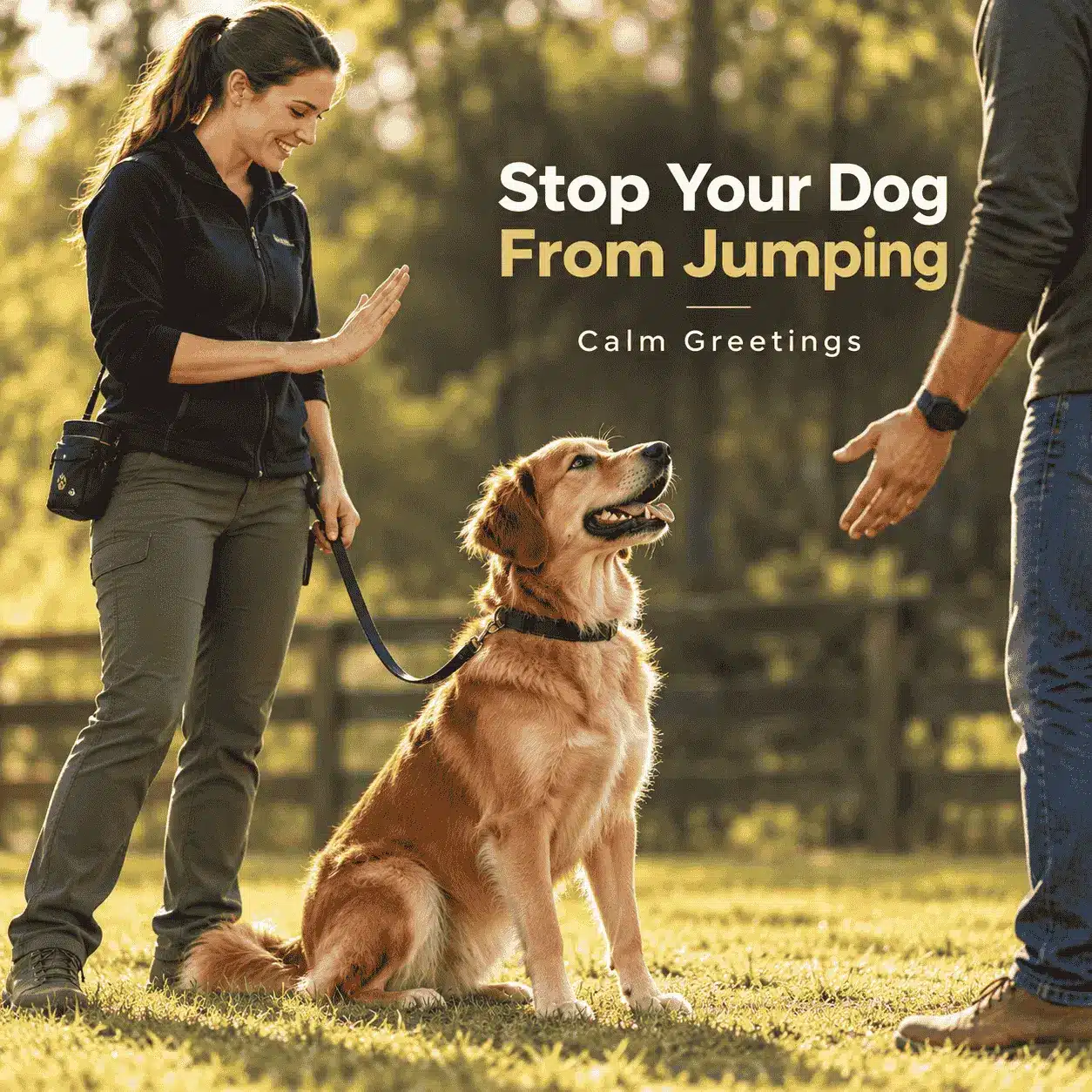
Does your dog jump on everyone who walks through the door? Maybe they leap toward visitors, knock into family members, or become so excited during greetings that they completely ignore you. Teaching your dog calm greetings can help prevent dog jumping, manage excitement, and welcome guests politely.
Although jumping may seem harmless when a dog is small, it can become frustrating and even dangerous as the dog grows. A large, enthusiastic dog can easily knock over a child, an older adult, or someone who is unprepared, making dog jumping a behavior that owners should address early.
The good news is that jumping is a behavior that can often be improved through consistent training, clear communication, and better greeting routines.
At Ultimate K9 in Graham, Washington, we focus on understanding why dogs behave the way they do, teaching appropriate alternatives, and helping owners develop practical handling skills they can use every day.
Why Do Dogs Jump on People?
Dogs jump for different reasons, and identifying the motivation behind the behavior is an important part of developing an effective training plan.
1. Excitement During Greetings
Many dogs jump because they are genuinely excited to see someone.
The sound of a doorbell, a familiar voice, or a visitor entering the home can create a sudden burst of excitement. A dog that has not learned how to manage that excitement during calm greetings may display dog jumping, spinning, barking, or rushing toward the person.
2. Attention-Seeking Behavior
Dogs quickly learn which behaviors get attention.
If jumping results in someone petting them, speaking to them, laughing, or physically interacting with them, the dog may learn that jumping is an effective way to start an interaction.
Even attention that seems negative can sometimes reinforce dog jumping behavior.
3. Lack of Impulse Control
Some dogs struggle to control their excitement.
They may understand the command “sit” in a quiet environment but find it difficult to respond when someone exciting enters the room.
This is why teaching obedience commands alone is not always enough. Dogs also need practice using those skills around real-world distractions to develop better impulse control and maintain calm greetings.
4. Inconsistent Household Rules
Perhaps one family member enjoys enthusiastic jumping while another person discourages it.
From the dog’s perspective, the rules are unclear.
Consistent expectations make training easier to understand.
How to Teach Your Dog to Stop Jumping
The goal is not simply to stop an unwanted behavior. It is to teach your dog what to do instead.
Step 1: Decide What an Appropriate Greeting Looks Like
Before beginning, establish a clear household rule.
For example, your dog may be expected to:
- Keep all four paws on the floor.
- Sit when greeting visitors.
- Wait calmly on a designated place.
- Approach a person only when released.
Choose a behavior that is realistic for your dog and your household.
Step 2: Reinforce Calm Behavior
When your dog keeps their paws on the floor or calmly approaches someone, reward that choice.
Depending on your dog, rewards for preventing dog jumping might include treats, praise, toys, or permission to greet the visitor.
Timing matters. To prevent dog jumping, reinforcement should happen close enough to the desired behavior that the dog can understand what earned it.
Step 3: Remove the Reward for Jumping
If jumping is maintained by attention, briefly withholding that attention may help.
For example, a visitor can pause the greeting while the owner guides the dog back to a calmer behavior.
Once the dog has four paws on the floor, the interaction can resume.
Avoid turning the greeting into an exciting struggle by pushing, shouting, or wrestling with the dog.
Step 4: Teach a Reliable Sit or Place Command
A trained alternative can give your dog something constructive to focus on.
For many dogs, a “place” command is particularly useful during guest arrivals.
A designated bed or mat provides a clear location where the dog can settle until released.
Start by practicing when no guests are present. Reward your dog for going to the designated place and remaining there briefly.
Gradually introduce movement, door sounds, and other distractions.
Step 5: Practice Controlled Greetings
Rather than waiting for an actual visitor, arrange short training sessions with a family member or trusted friend.
Begin with the person entering quietly.
Reward your dog for staying calm. If excitement becomes too intense, increase distance or simplify the exercise.
Over time, practice with different people and in different environments.
Step 6: Build Consistency Through Repetition
Real progress comes from repeating the correct routine.
Every household member should understand the same expectations, including when the dog can greet someone, how to prevent dog jumping, and what behavior earns attention.
How Balanced Training Helps With Jumping
At Ultimate K9, our balanced training philosophy focuses on understanding the individual dog and helping the owner communicate clearly.
Training may incorporate positive reinforcement, structured routines, leash guidance, appropriate boundaries, and individualized handling techniques.
Rather than treating every dog the same way, we consider the dog’s temperament, motivation, age, previous training, and level of excitement.
For some dogs, teaching an alternative greeting behavior is straightforward. Others may need additional work on impulse control, engagement, and general obedience before they can reliably manage exciting greetings.
Clear boundaries are most effective when the dog has been taught what is expected and has opportunities to practice successfully.
If jumping is connected to fear or aggression rather than excitement, the training plan needs to address that underlying issue rather than treating it as a simple manners problem.
How to Stop Your Dog From Jumping on Guests
Guest arrivals are often the most challenging situation.
An effective routine can include having the dog on a leash before opening the door, asking them to move to a designated place, and allowing a greeting only after they have settled.
A baby gate or another suitable barrier can also help prevent uncontrolled greetings and unwanted dog jumping during the early stages of training.
These management tools are useful because they stop your dog from repeatedly practicing the behavior you are trying to change.
As your dog becomes more reliable, gradually reduce the amount of management needed.
Common Mistakes Dog Owners Make
Allowing Jumping Sometimes
If jumping is rewarded occasionally, the behavior may continue because the dog cannot predict when it will work.
Expecting Immediate Results
A dog that has been jumping on people for several years may need consistent practice to develop a different habit.
Practicing Only in Quiet Environments
A dog that can sit calmly in the living room may still struggle when visitors arrive.
Training should gradually include realistic distractions.
Focusing Only on What Not to Do
Simply preventing jumping does not automatically teach calm greetings.
Make sure your dog learns a clear alternative.
When Should You Get Professional Dog Training?
Professional guidance may be particularly useful when a dog jumps with enough force to knock people over, becomes uncontrollably excited, or combines jumping with nipping, mouthing, or aggressive behavior.
A trainer can evaluate the situation and help establish a realistic plan.
At Ultimate K9, our Private Dog Training Lessons focus on individualized instruction, clear communication, and practical obedience skills.
Frequently Asked Questions
How long does it take to stop a dog from jumping?
Should I tell my dog "no" when they jump?
Can older dogs learn to stop jumping?
Build Calmer Greetings With Ultimate K9
A calm greeting is about more than manners. It reflects your dog’s ability to manage excitement, respond to communication, and understand appropriate boundaries.
With clear expectations and consistent practice, you can help your dog become a more polite and enjoyable companion.
Ultimate K9 provides personalized dog training in Graham, Puyallup, Spanaway, Tacoma, and surrounding Washington communities.
Ready to work on jumping, overexcitement, or everyday obedience?
Explore our Private Training Lessons or schedule an Introductory Lesson to discuss your dog’s training needs.