
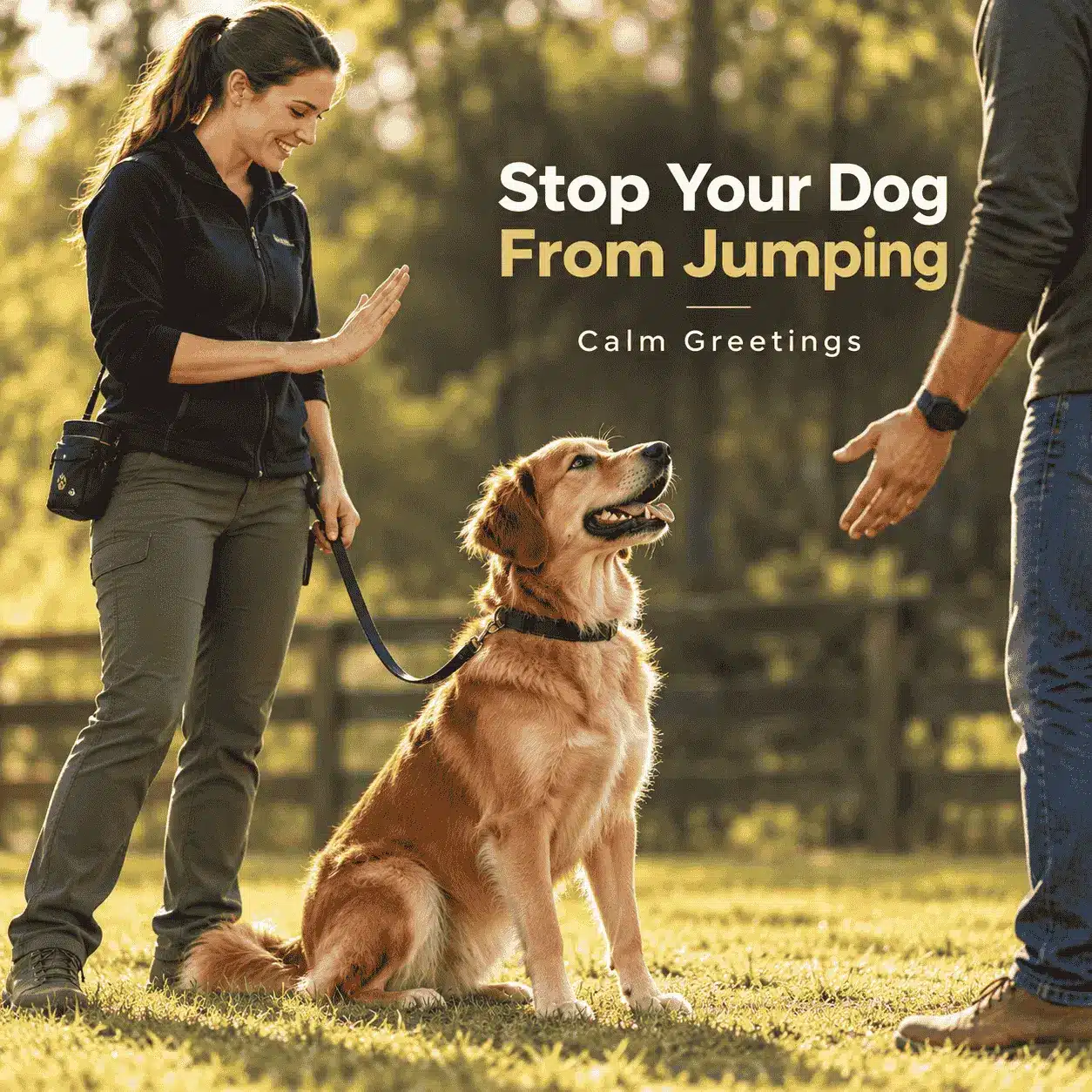
Socialization is one of the most important parts of raising and training a dog.
Unfortunately, socialization is also commonly misunderstood.
Many people believe the best way to introduce your dog to socialization is by letting them meet as many people and dogs as possible.
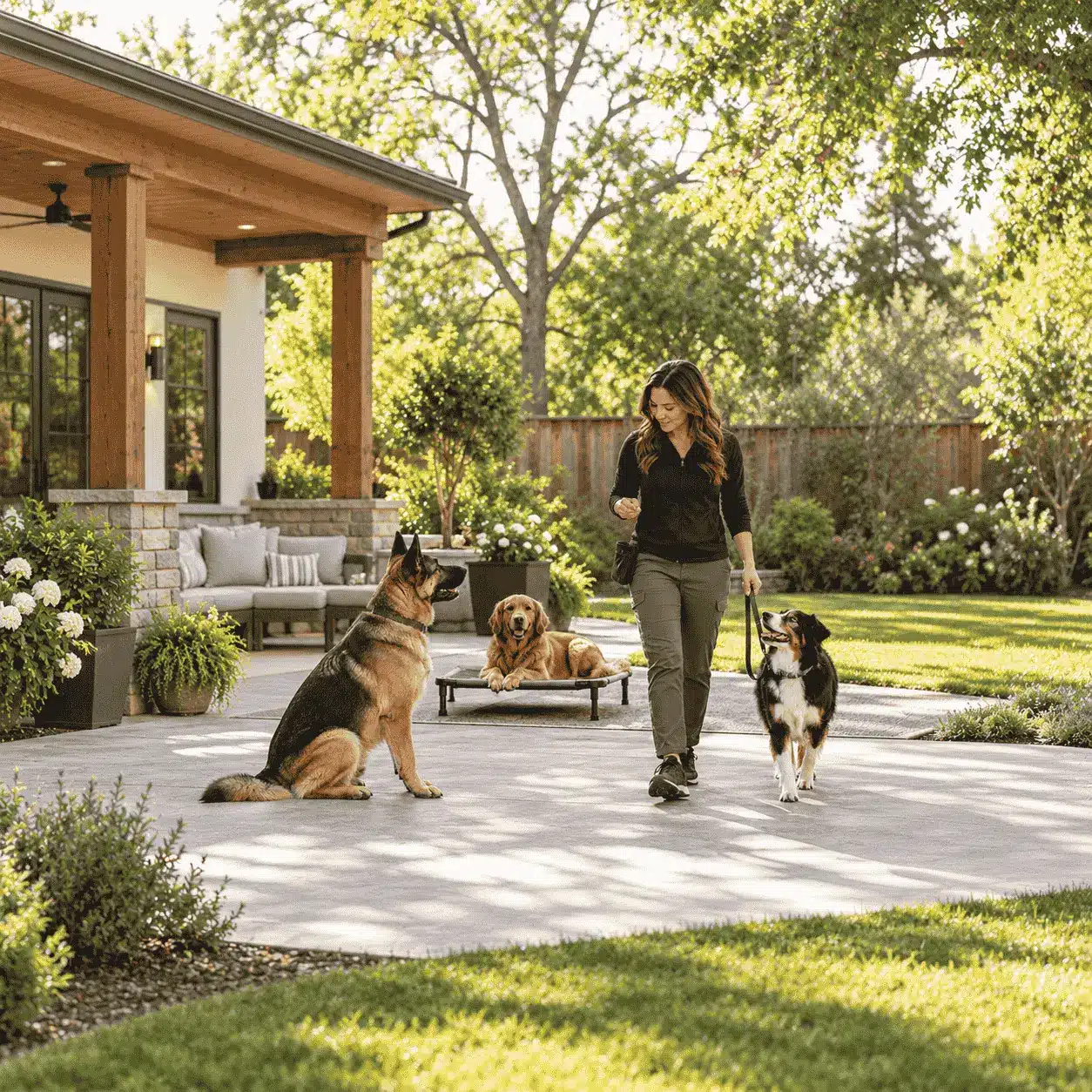
In reality, effective socialization is about helping a dog remain confident, calm, and responsive in different environments.
Your dog does not need to interact with everything they see.
Sometimes the most valuable lesson in dog socialization is learning how to calmly observe.
Socialization Is About Exposure, Not Constant Interaction
A well-socialized dog should be able to experience:
- New people
- Different dogs
- Vehicles
- Children
- Sounds
- Surfaces
- Buildings
- Crowds
- Different environments
without becoming overwhelmed.
The goal is not necessarily excitement.
In many situations, neutrality is more valuable.
Introducing Your Dog to New People
Do not force interaction.
Allow the dog space.
Watch their body language.
Signs of comfort may include:
- Loose posture
- Soft eyes
- Relaxed movement
- Curiosity
Signs of discomfort may include:
- Freezing
- Avoidance
- Tucked tail
- Hard staring
- Growling
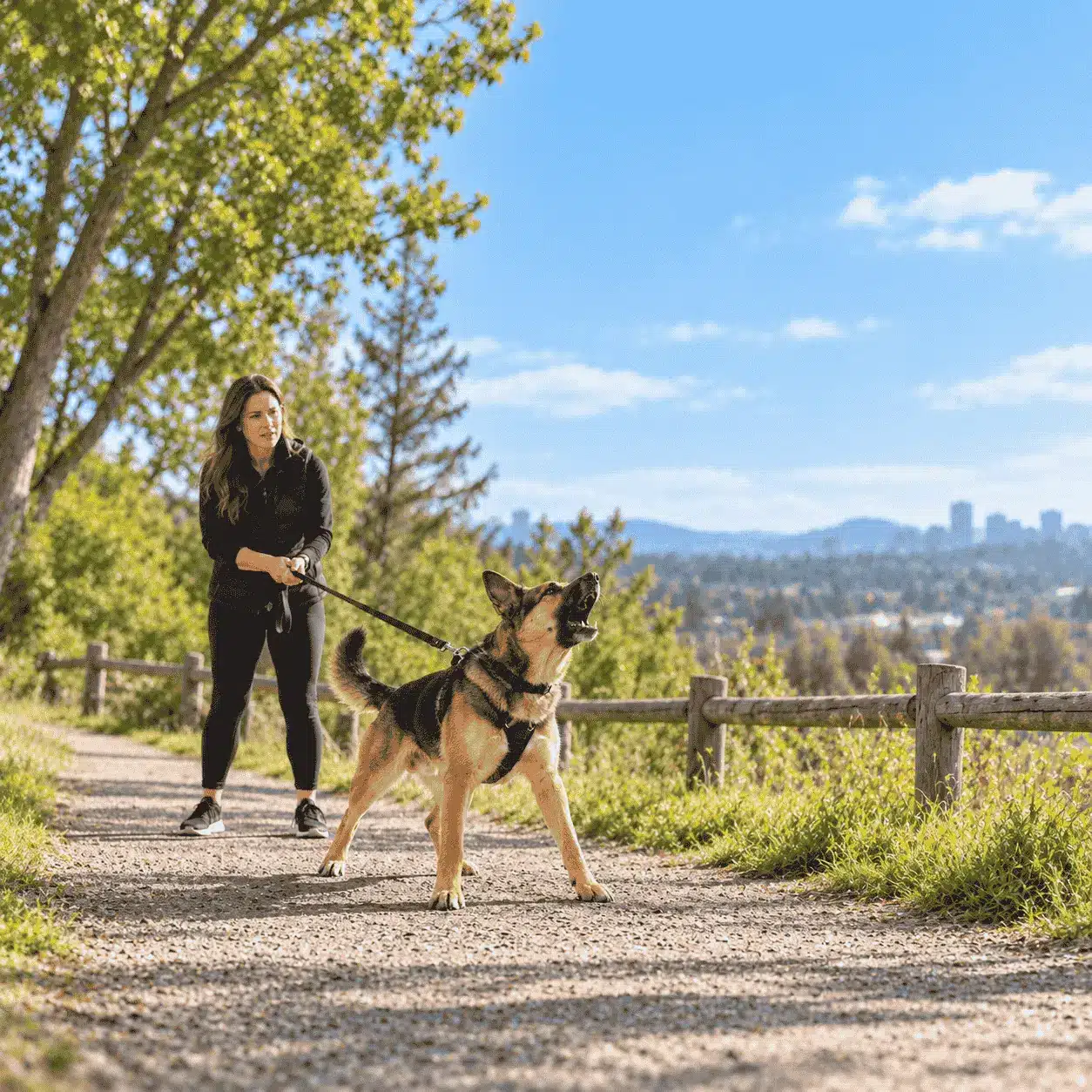
- Barking
- Trying to escape
When you introduce your dog to new people or animals, increasing distance may be more productive than forcing interaction if your dog feels uncomfortable.
Let the Dog Approach When Appropriate
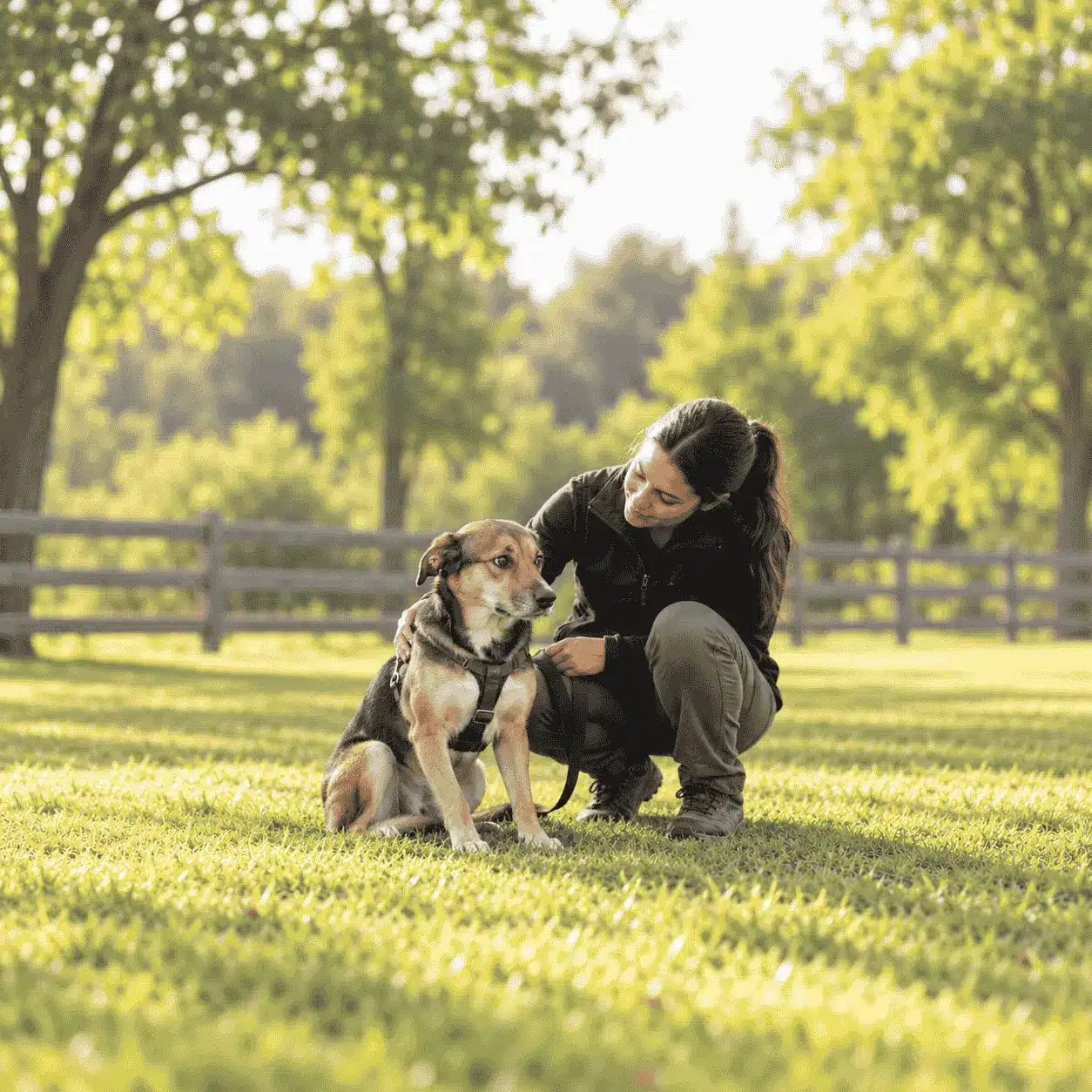
Some dogs feel more comfortable when allowed to approach at their own pace.
Avoid having strangers immediately:
- Reach over the dog’s head
- Hug the dog
- Lean over them
- Crowd them
Give the dog time to process the situation.
Introducing Dogs to Other Dogs
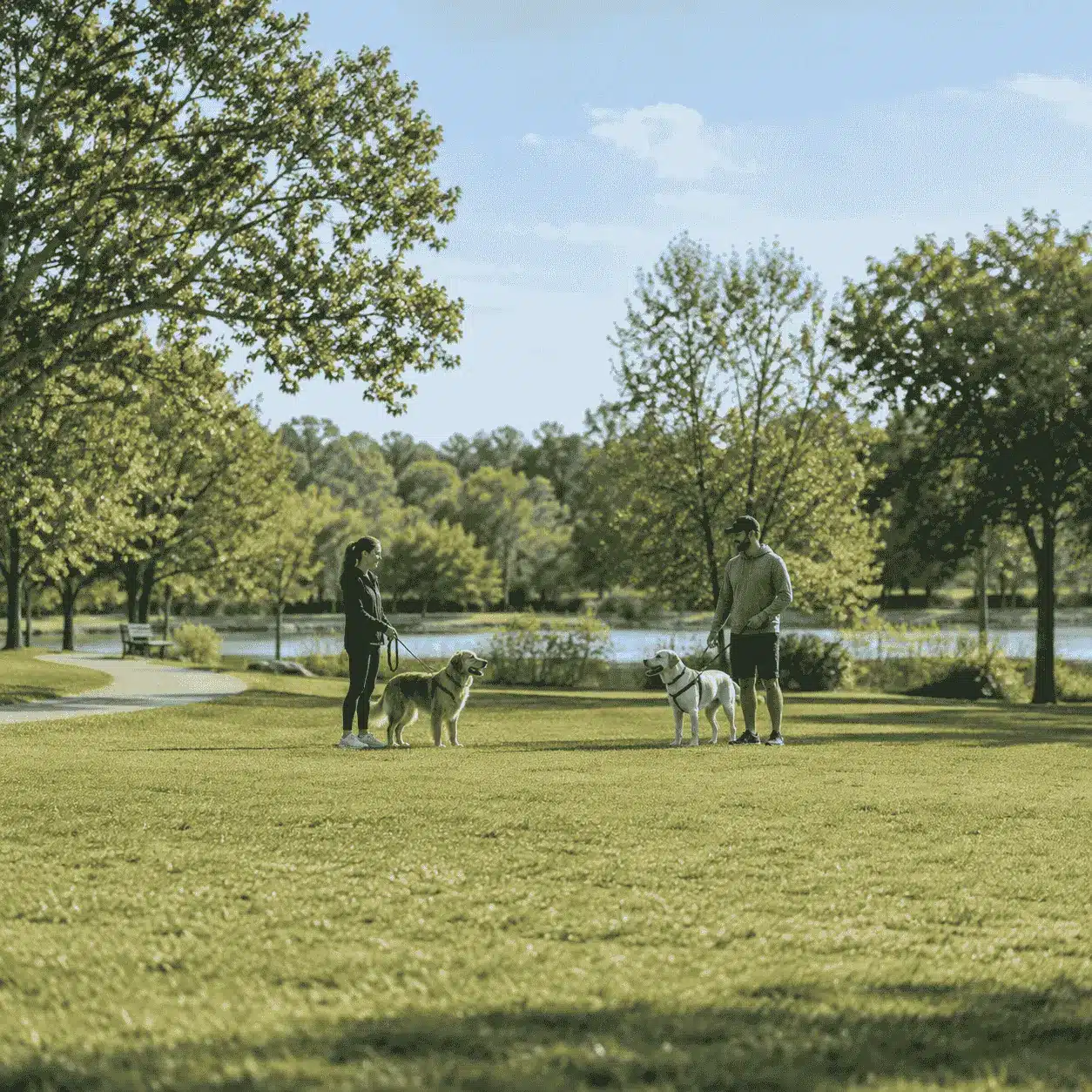
Not every dog needs to greet every dog.
Constant on-leash greetings can actually create:
- Frustration
- Overexcitement
- Pulling
- Reactivity
A dog that learns:
“Every dog I see means I get to interact,”
may become frustrated when interaction is prevented.
Teaching neutrality can be extremely valuable.
Structured Dog Introductions
When appropriate, introductions may begin with:
- Parallel walking
- Distance
- Controlled movement
- Brief interactions
- Calm handling
Avoid rushing dogs directly face-to-face.
Observe body language and keep the interaction controlled.
Puppies Need Thoughtful Socialization
Puppies benefit from positive exposure to:
- Different people
- Surfaces
- Sounds
- Environments
- Handling
- Grooming
- Car rides
- Appropriate dogs
But more is not always better.
Overwhelming a puppy can create fear rather than confidence.
Quality matters more than quantity.
New Environments Should Be Introduced Gradually
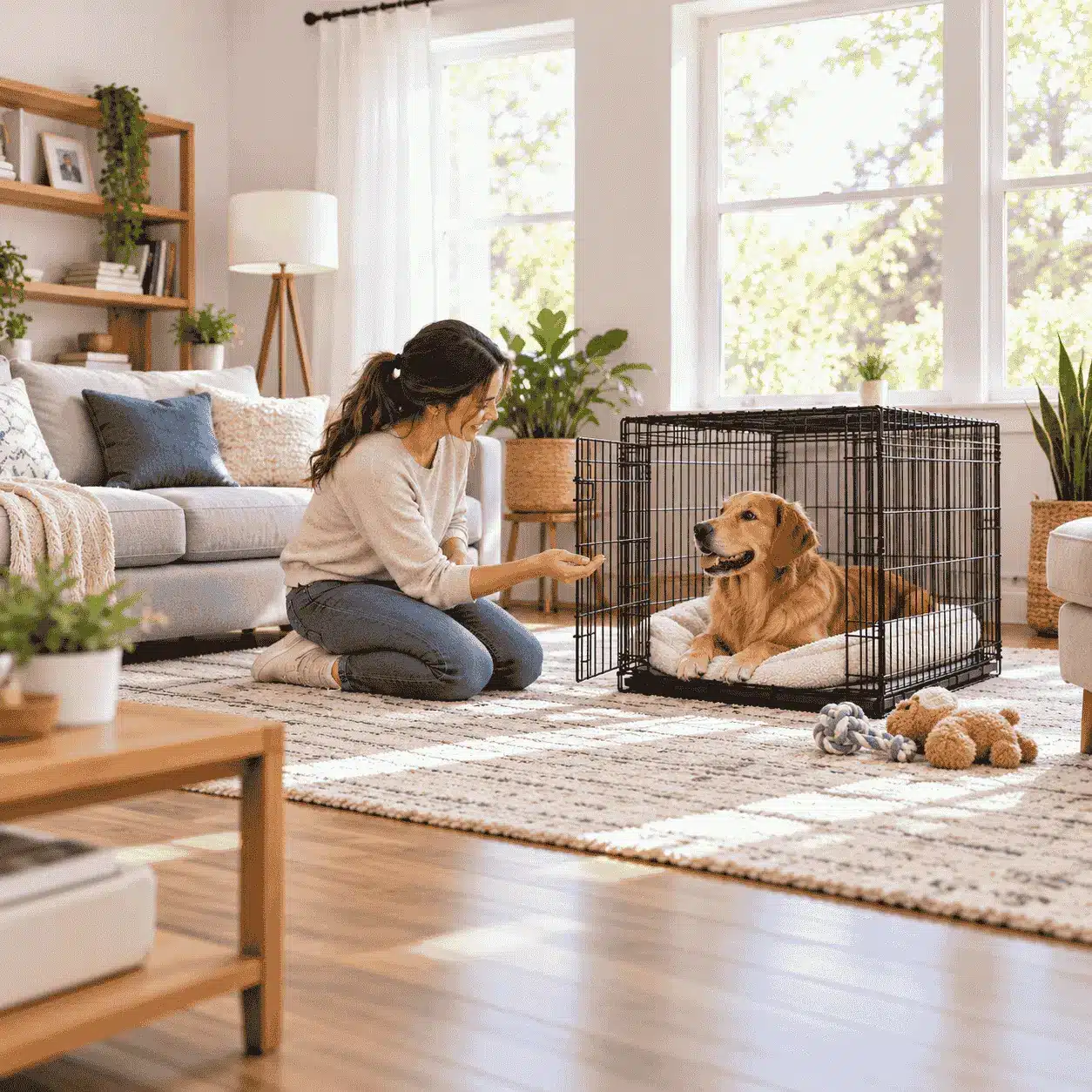
For successful dog socialization, start by introducing your dog to new environments at a level they can comfortably handle.
Your dog should ideally still be able to:
- Take food
- Respond to you
- Move normally
- Observe calmly
- Recover from distractions
If the dog cannot respond at all, the environment may be too difficult.
Balanced Training and Socialization
Balanced training combines:
- Positive reinforcement
- Clear structure
- Boundaries
- Management
- Engagement
- Appropriate corrections when necessary
- Tools suited to the individual dog
When you introduce your dog to new environments, the goal is to teach them how to behave and process their surroundings.
A dog should not simply be dragged into uncomfortable situations.
At the same time, owners should not avoid every challenge forever, as gradual exposure is essential for effective dog socialization.
Training should help the dog gradually build confidence and coping skills.
Teach Calmness Around Distractions
One of the most useful skills in dog socialization is learning that dogs do not need to react to everything around them.
Reward calm behavior around:
- Dogs
- People
- Cars
- Children
- Noise
- Movement
Calm neutrality can make everyday life much easier.
Watch Your Own Handling
Dogs often notice the handler’s tension.
If you tighten the leash every time another dog appears, your dog may begin anticipating conflict.
Good handling should be:
- Calm
- Clear
- Consistent
- Intentional
Your body language matters.
Do Not Punish Fear
Fearful behavior should be handled carefully.
Harsh responses can sometimes increase anxiety.
Instead, combine:
- Distance
- Confidence-building
- Reinforcement
- Structure
- Clear communication
Training should help the dog become more capable, not more overwhelmed.
When Professional Help Is Recommended
Professional guidance can be especially useful if your dog:
- Lunges at people
- Reacts strongly to dogs
- Has bitten
- Freezes or shuts down
- Panics in new environments
- Cannot recover from distractions
- Becomes highly overstimulated
These situations often require more than basic socialization.
Socialization Is a Lifelong Process
Dogs continue learning throughout life.
Even adult dogs benefit from structured exposure and training.
Socialization is not something that ends after puppyhood.
The goal is a dog that can confidently and appropriately navigate everyday life.
Ultimate K9 helps owners improve dog socialization, communication, structure, confidence, and practical real-world behavior through individualized training.