
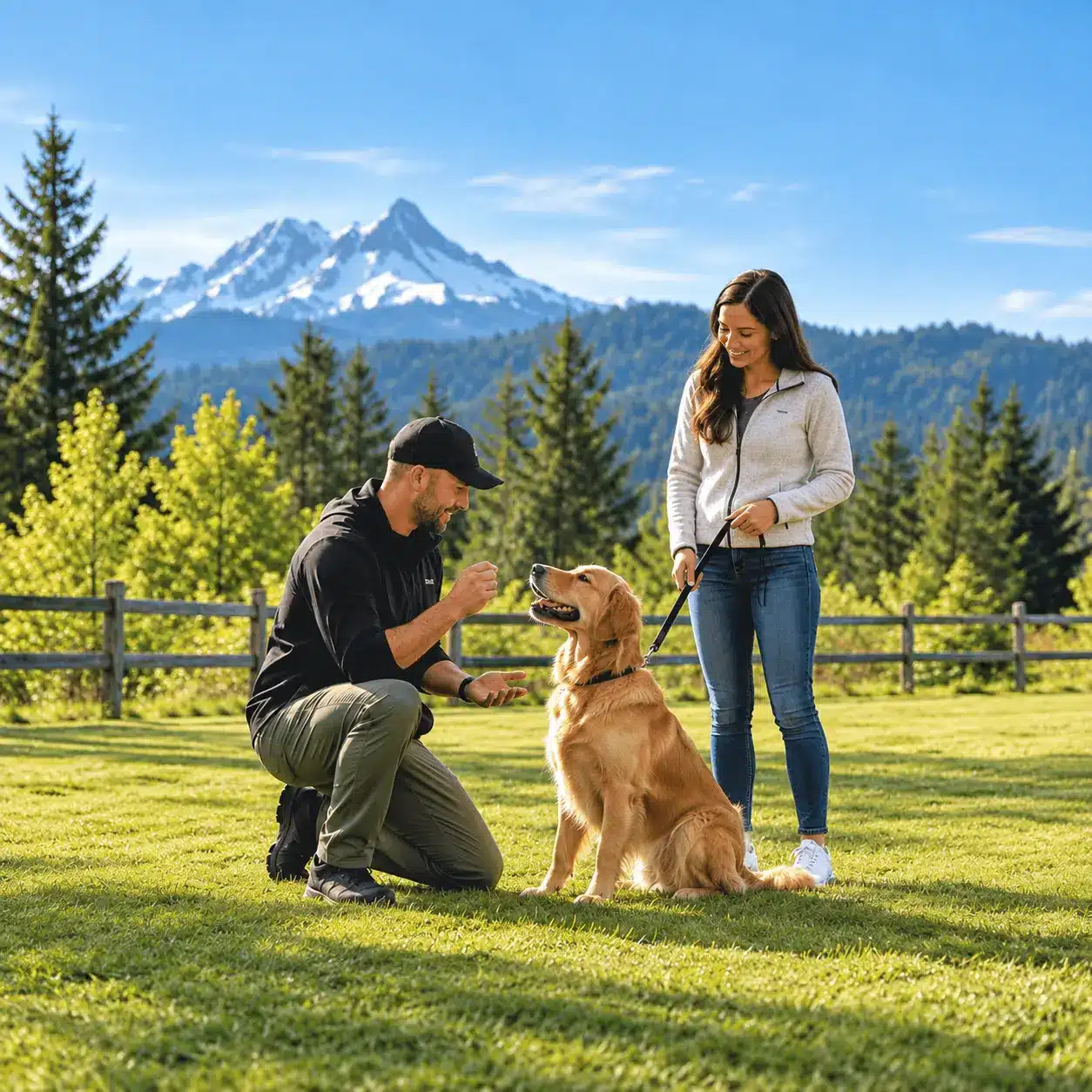

One of the most common questions new puppy owners ask is:
“When should I start training my puppy?”
The answer is earlier than many people think.
Training a puppy begins from the moment your puppy comes home.
Your puppy is constantly learning which behaviors work, which routines to expect, and how to interact with you and the world around them.
Early training doesn’t need to mean long obedience sessions.
Instead, the first few months should focus on communication, structure, confidence, good habits, and positive experiences.
What Can an 8-Week-Old Puppy Learn?
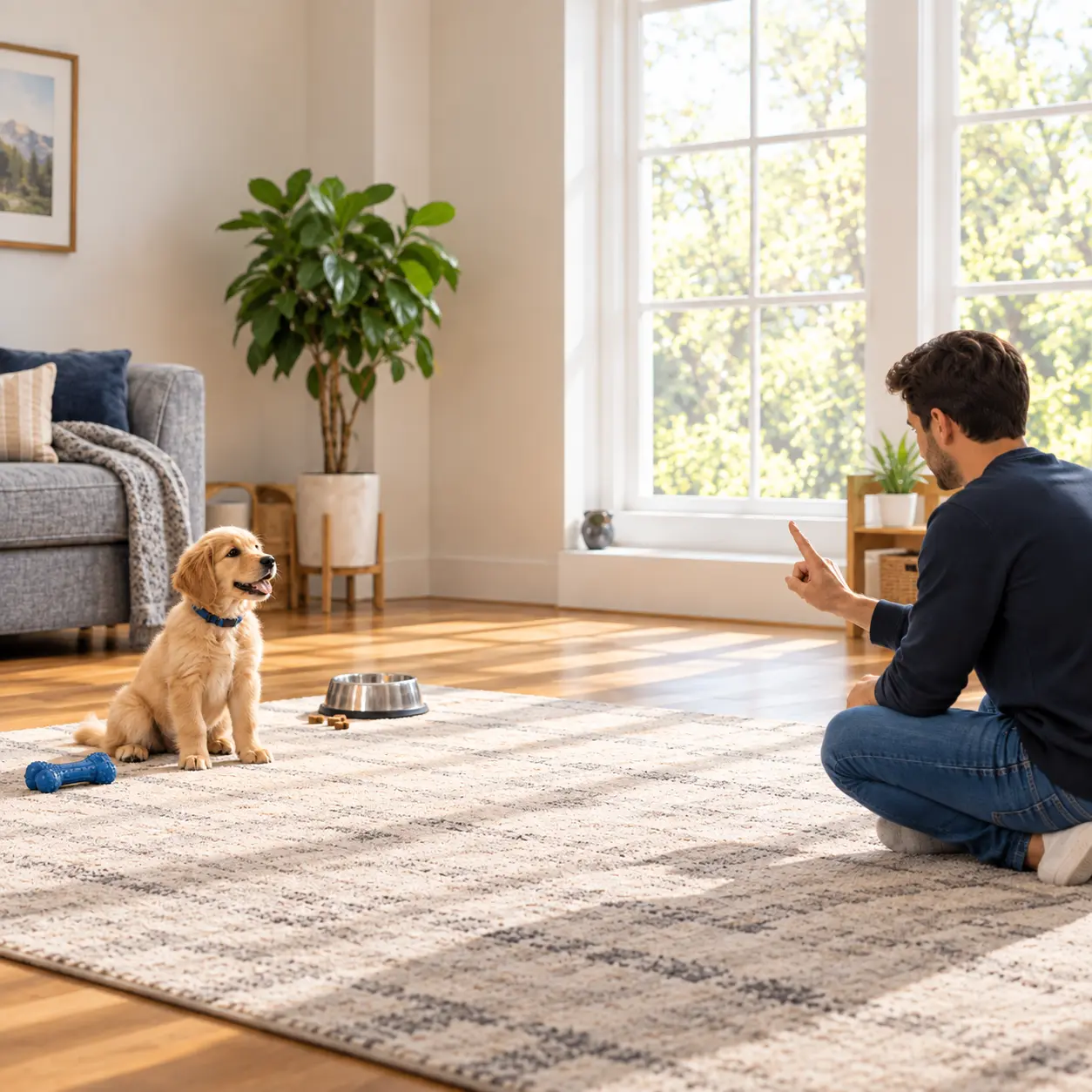
Young puppies are capable of learning simple behaviors and household expectations.
Training may begin with:
- Responding to their name
- Coming when called
- Sitting
- Following a food lure
- Crate training
- Potty routines
- Waiting briefly
- Walking with you
- Handling and grooming
- Appropriate chewing
- Calm behavior around people
Sessions should be short and appropriate for the puppy’s age.
A few successful minutes can be more productive than trying to maintain a puppy’s attention for a long training session.
Puppy Training Is More Than Commands
Teaching “sit” and “down” is useful, but puppy training is much broader than obedience commands.
Your puppy is also learning:
- How to handle frustration
- How to settle
- What they are allowed to chew
- How to interact with people
- How to respond to boundaries
- How to behave around other dogs
- How to adapt to new environments
These everyday skills can prevent many common behavioral problems later.
Socialization Does Not Mean Meeting Every Dog
Socialization is often misunderstood.
Training a puppy does not simply mean allowing your puppy to greet as many people and dogs as possible.
Good socialization means helping your puppy become comfortable and confident around different sights, sounds, surfaces, people, animals, environments, and experiences.
Sometimes the best lesson is teaching the puppy to calmly observe something without interacting with it.
Your puppy should learn that seeing another dog does not automatically mean pulling toward it or beginning to play.
Calm neutrality is an important skill.
Using a Balanced Training Approach With Puppies
Balanced puppy training should always be appropriate for the puppy’s age, temperament, confidence, and development.
At this stage, much of the training centers around:
- Positive reinforcement
- Food
- Play
- Praise
- Management
- Redirection
- Repetition
- Clear household rules
As the puppy develops, owners can gradually introduce more structure and accountability.
The purpose of balanced training is not to correct puppies for everything they do wrong.
It is to create clear communication.
When training a puppy, we want puppies to understand what behaviors earn rewards while also learning reasonable boundaries.
Consistency Matters
One of the biggest challenges when training a puppy is inconsistent communication.
For example:
One family member allows jumping.
Another pushes the puppy down.
Someone else encourages the puppy onto the furniture.
Another person doesn’t allow it.
The puppy isn’t being stubborn—they’re receiving mixed information.
Decide early which household rules matter and make sure everyone follows them consistently.
Common Puppy Training Mistakes
Some problems are much easier to prevent than to fix later.
Common mistakes include:
- Giving too much freedom too quickly
- Inconsistent potty schedules
- Allowing biting because the puppy is small
- Repeating commands multiple times
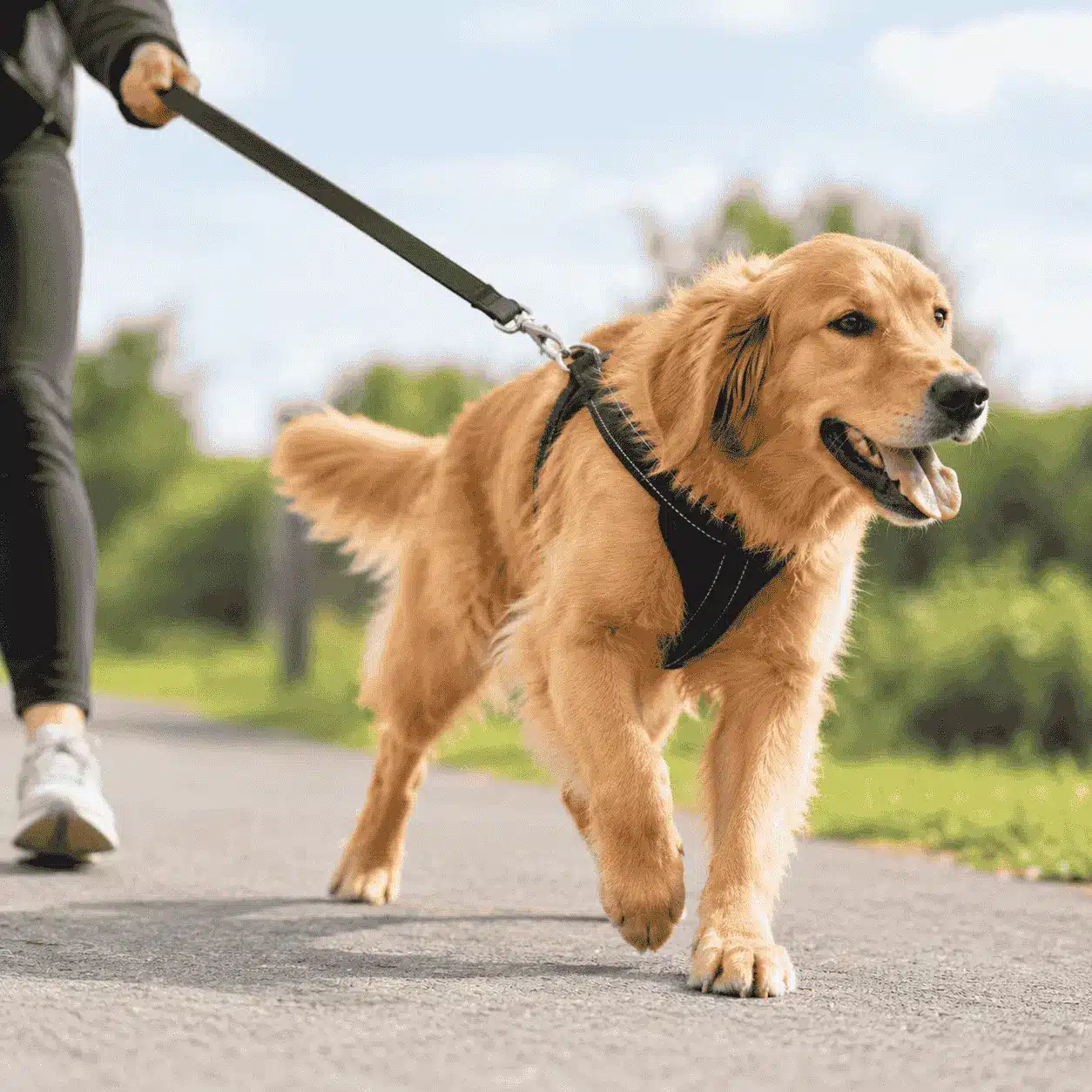
- Allowing pulling on the leash
- Overstimulating the puppy
- Failing to teach calm behavior
- Waiting until adolescence to begin training
Your puppy doesn’t need perfection.
They need consistent guidance.
Build the Foundation Now
Early training creates communication that you can build on as your puppy grows.
The goal is not simply to have a puppy that performs commands.
The goal is to develop a dog that understands you, can handle boundaries, feels confident in different environments, and knows how to make good choices.
Ultimate K9 offers puppy training options designed to help owners establish that foundation early. The business currently offers puppy-focused programs and training beginning with young puppies. ultimatek9.co