

Barking, growling, lunging, and pulling can be alarming behaviors.
But a dog displaying those behaviors is not automatically an “aggressive dog.”
Understanding the difference between reactivity and aggression can help owners make better decisions about training, management, and safety.
What Is Dog Reactivity?
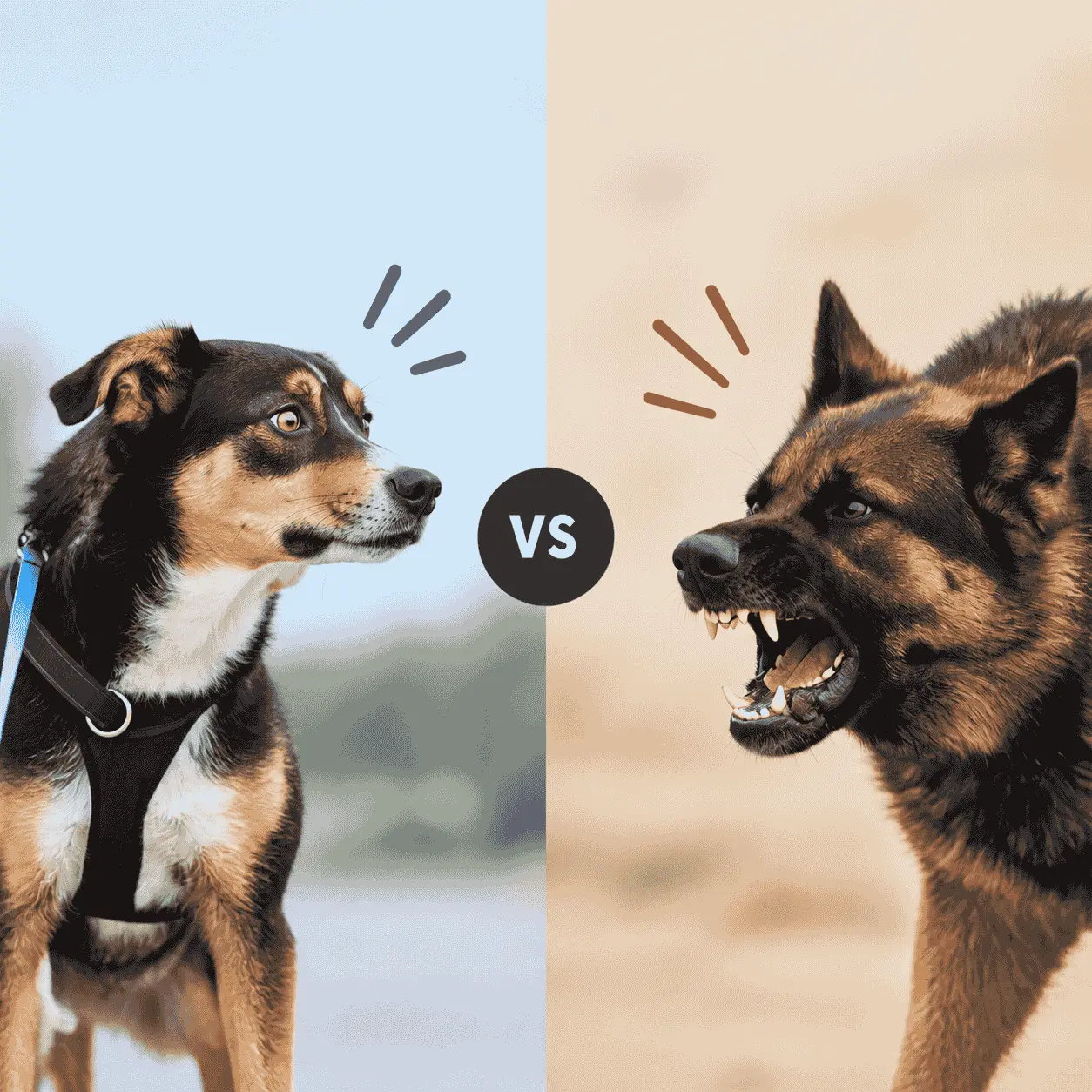
Reactivity generally describes an intense response to a particular trigger.
Common triggers include:
- Other dogs
- Strangers
- Vehicles
- Bicycles
- Children
- Noises
- Unfamiliar environments
A reactive dog may bark, lunge, pull, whine, freeze, or become extremely excited.
The behavior can be caused by different emotions.
Some dogs are fearful.
Others are frustrated because they cannot reach something.
Some become overstimulated very quickly.
The outward behavior may look aggressive even when the dog’s motivation is different.
What Is Aggression?
The difference is that aggression involves behaviors that can be intended to threaten, create distance, defend a resource, or potentially cause harm.
Examples can include:
- Growling
- Snapping
- Biting
- Charging
- Guarding
- Threat displays
Aggression also has many possible causes.
A dog might behave aggressively because of:
- Fear
- Territorial behavior
- Resource guarding
- Pain
- Learned behavior
- Previous experiences
- Conflict
- Defensive behavior
Because the causes vary, the training plan must also vary.The difference is that aggression involves behaviors that can be intended to threaten, create distance, defend a resource, or potentially cause harm.
Why the Difference Matters
Labels alone don’t tell us how to train the dog.
Two dogs can both bark and lunge at another dog while experiencing completely different emotions.
One may be frightened.
Another may desperately want to play.
Another may genuinely intend to drive the other dog away.
Before choosing a training strategy, it is important to evaluate:
- What happens before the behavior
- The dog’s body language
- Distance from the trigger
- Previous experiences
- Environment
- Recovery time
- Whether there is a bite history
- How the handler responds
Managing the Environment
Training does not mean repeatedly placing a reactive dog into overwhelming situations.
Management can be extremely valuable while new behaviors are being developed.
That might mean:
- Creating more distance
- Avoiding crowded environments temporarily
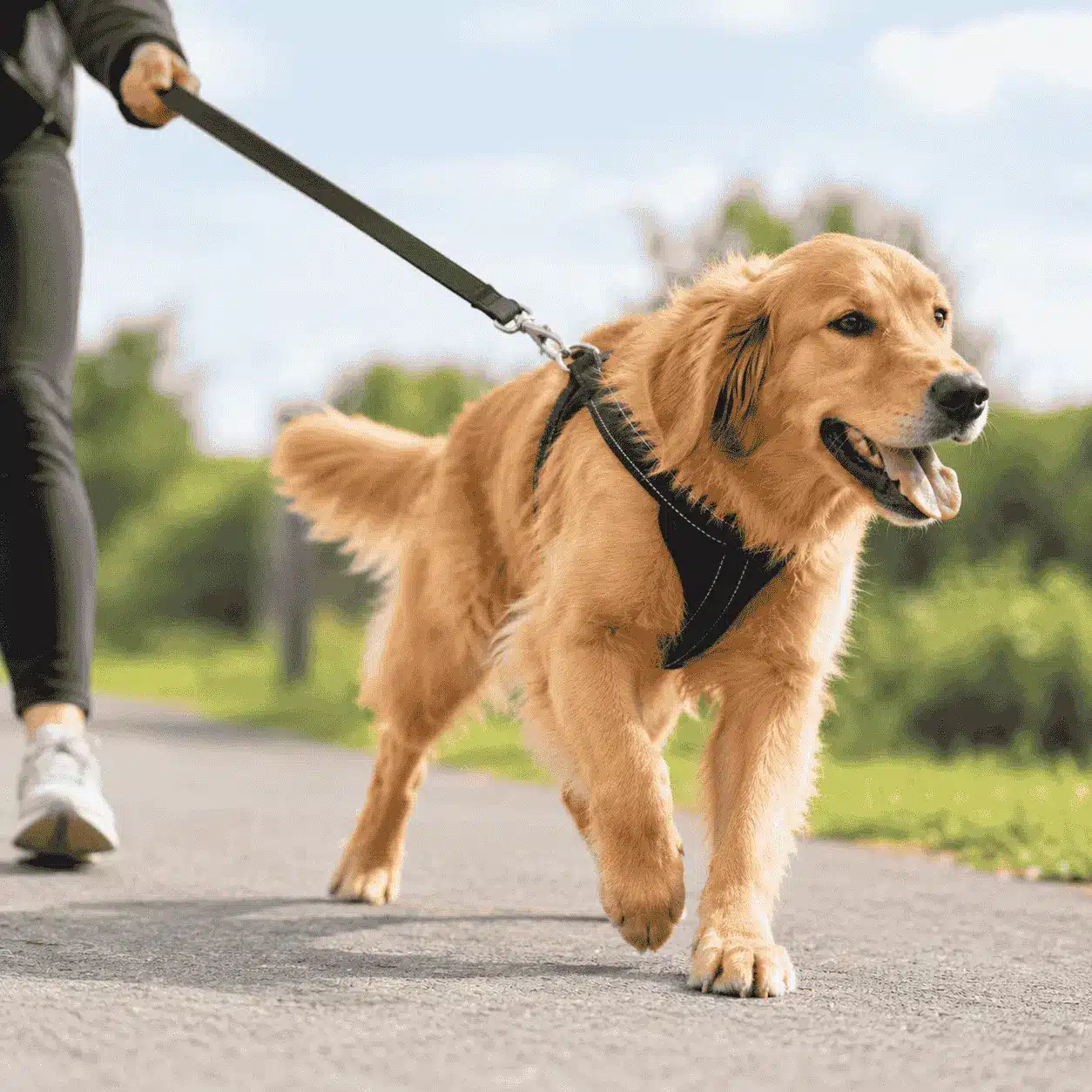
- Using appropriate leash equipment
- Preventing uncontrolled greetings
- Choosing quieter training locations
- Controlling exposure to triggers
Management helps prevent repeated rehearsal of unwanted behavior.
Balanced Training for Reactive Dogs
Reactive dogs often benefit from a combination of reinforcement, structure, communication, exposure at appropriate levels, impulse-control work, and clear boundaries.
A balanced training program may include:
- Rewarding calm engagement
- Teaching alternative behaviors
- Building confidence
- Creating predictable routines
- Structured exposure to triggers
- Appropriate leash communication
- Correcting inappropriate behavior when appropriate and when the dog understands the expectation
The training should be adjusted to the individual dog.
A technique that helps one dog may overwhelm another.
Avoid Punishing Warning Signals
Growling and other warning behaviors provide information.
Understanding the difference and why a warning is happening is important, because trying to suppress every warning without understanding the cause can create additional problems.
The goal should be to address the underlying behavior and improve the dog’s response—not simply make the warning disappear.
When to Get Professional Help
Professional guidance is especially important if your dog:
- Has bitten someone
- Has attempted to bite
- Redirects aggression toward the handler
- Is difficult to physically control
- Reacts intensely to people or dogs
- Guards food, toys, or spaces
- Is getting progressively worse
Safety should come first.
Ultimate K9 works with reactive and aggressive behavior and emphasizes individualized evaluation rather than assuming every dog needs the same approach. ultimatek9.co
Improvement Starts With Understanding
Whether your dog is reactive, aggressive, fearful, frustrated, or overstimulated, behavior communicates information.
The more accurately we understand the reason behind the behavior, the better we can create a training plan that addresses it.