
Seminars
At Emerald Meadows K9, our seminars are more than just training sessions they’re journeys of understanding. Whether you're dealing with a reactive dog or a nervous puppy, each event is designed to help you build a calm, confident, and connected relationship with your dog.
Limited availability – seminars fill up fast!
Dog Psychology
August 16th
1. Understanding Canine Instincts:
Learn how natural drives like prey, and territorial instincts shape your dog’s behavior and how to work with them, not against them.
2. How Dogs Learn:
How dogs process experiences through association, repetition, and reward to build effective, long-term habits.
3. The Role of Breed and Genetics:
How different breeds think and behave, and tailor your training approach to match their natural temperament.
4. Emotions in Dogs:
Feel fear, excitement, and stress—and how to recognize and respond to their emotional cues.

Body Language and Communication
September 27th
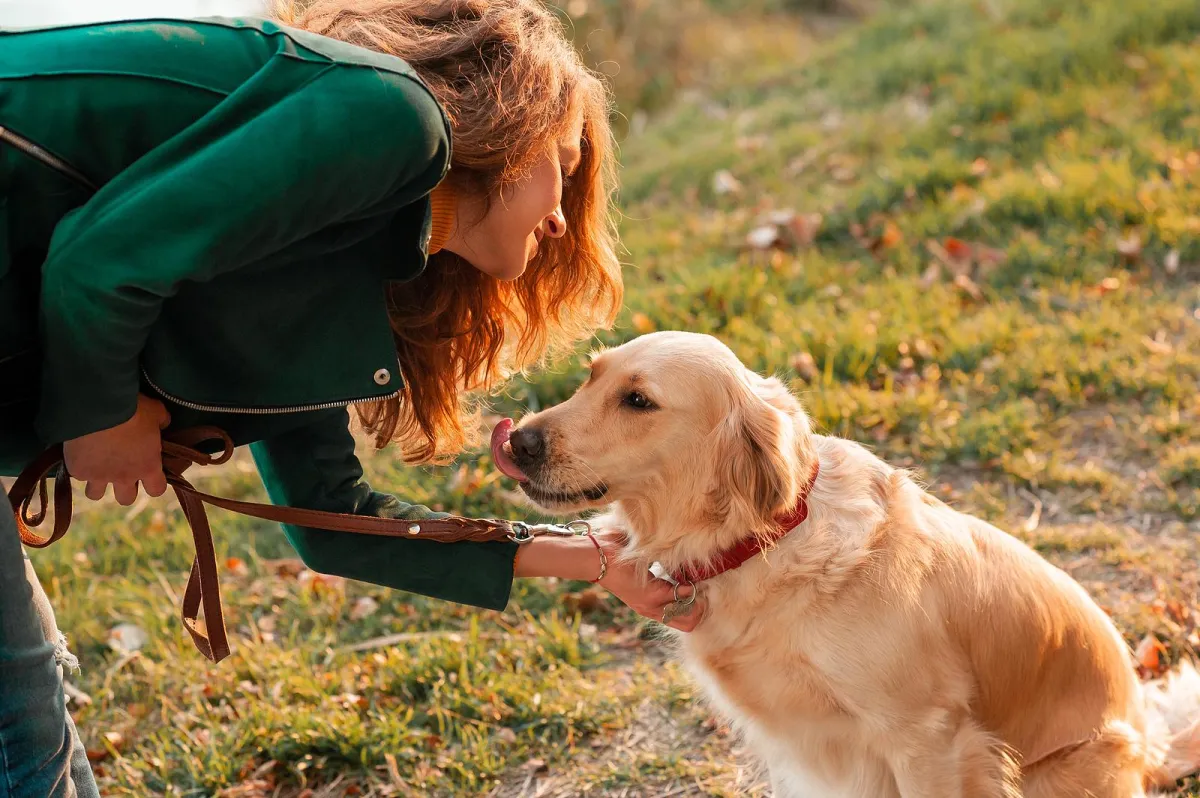
1. Reading Your Dog’s Signals:
What your dog's tail wags, ear positions, posture means, and more to understand what your dog is really trying to say.
2. Your Body Language Matters Too:
how your stance, tone, and energy impact your dog’s response and trust in you.
3. Signs of Stress and Discomfort:
Spot early signs of anxiety or overstimulation to prevent reactive behaviors before they escalate.
4. The Power of Eye Contact and Touch:
Use eye contact and physical touch as tools for bonding and calm communication.
Leadership and Reactivity
October 18th
1. Becoming the Calm, Confident Leader:
A relationship based on trust and respect—not fear—so your dog looks to you for guidance.
2. Reactivity Triggers and Thresholds:
Identify what sets your dog off (people, dogs, bikes) and learn how to manage their emotional threshold.
3. Structured Walks and Controlled Environments:
Use daily walks as leadership tools and create settings where reactive dogs can learn without being overwhelmed.
4. Redirection and Recovery Techniques:
Practice real-time strategies to redirect reactive behavior and help your dog recover calmly.
Socializing, Anxiety, and Possessive Aggression

November 22nd
1. Proper Puppy and Adult Dog Socialization:
Learn how to introduce your dog to people, dogs, and new places the right way for confident behavior later.
2. Separation Anxiety Solutions:
Understand the root causes and practice step-by-step desensitization to help your dog feel safe alone.
3. Managing Possessive Behavior:
Learn why some dogs guard food, toys, or people—and how to gently teach them to relax and share
4. Managing Resource Guarding:
Discover how to prevent or correct possessiveness over toys, food, or people without triggering more aggression.
5. Safe Dog-to-Dog Introductions:
Teach your dog how to meet and interact with other dogs calmly, safely, and politely.
Stop Reactivity at the Root!
December 13th -
Building Confidence & Better Behavior in Your Dog
1. Confidence-Building Games and Obstacle Work:
Use fun exercises and obstacle courses to help your dog feel capable and brave in new situations.
2. Mental Enrichment and Puzzle Play:
Keep your dog’s mind sharp and frustration low with brain games and problem-solving toys.
3. Channelling Excess Energy Positively:
Replace hyperactivity or destructive behavior with structured outlets like scent games or agility.
4. Helping Fearful Dogs Thrive:
Guide timid dogs through gradual exposure and trust-building to help them come out of their shell.
5. Redirecting Destructive Behavior:
Identify the root of chewing, digging, or barking and channel that energy into healthy outlets.
What Our Clients Are Saying
★★★★★


