


Bringing home a rescue dog can be exciting, emotional, and full of questions. You may be eager to introduce your new companion to everyone, explore local parks, and begin obedience training. Your dog, however, may need something simpler at first: a predictable place to rest and a chance to learn that this new home is safe.
There is no exact timeline that every adopted dog follows. Some settle in quickly; others take weeks or longer to show their usual personality. This first 30-day rescue dog training plan is a flexible guide—not a deadline your dog has to meet.
Before your rescue dog arrives
Prepare a calm area where the dog can sleep, drink water, and retreat without being disturbed. This might be a quiet room, a comfortable bed behind a pet gate, or a crate if your rescue dog already finds crates comfortable.
Secure doors, gates, cords, medications, and food. Choose a properly fitted collar or harness with identification. Ask the shelter or rescue about the dog’s previous routine, diet, medical care, and any known fears. Arrange a veterinary checkup and confirm recommended vaccinations and parasite prevention.
Keep the first few days simple. A long guest list and immediate outings may seem welcoming to people but overwhelming to a dog who doesn’t yet understand the new environment.
Days 1–3: Prioritize safety and predictability
In the first few days, focus on feeding, bathroom breaks, rest, and calm observation. Walk through the same short routine at similar times each day. Supervise your rescue dog’s access to the home, especially near outside doors.
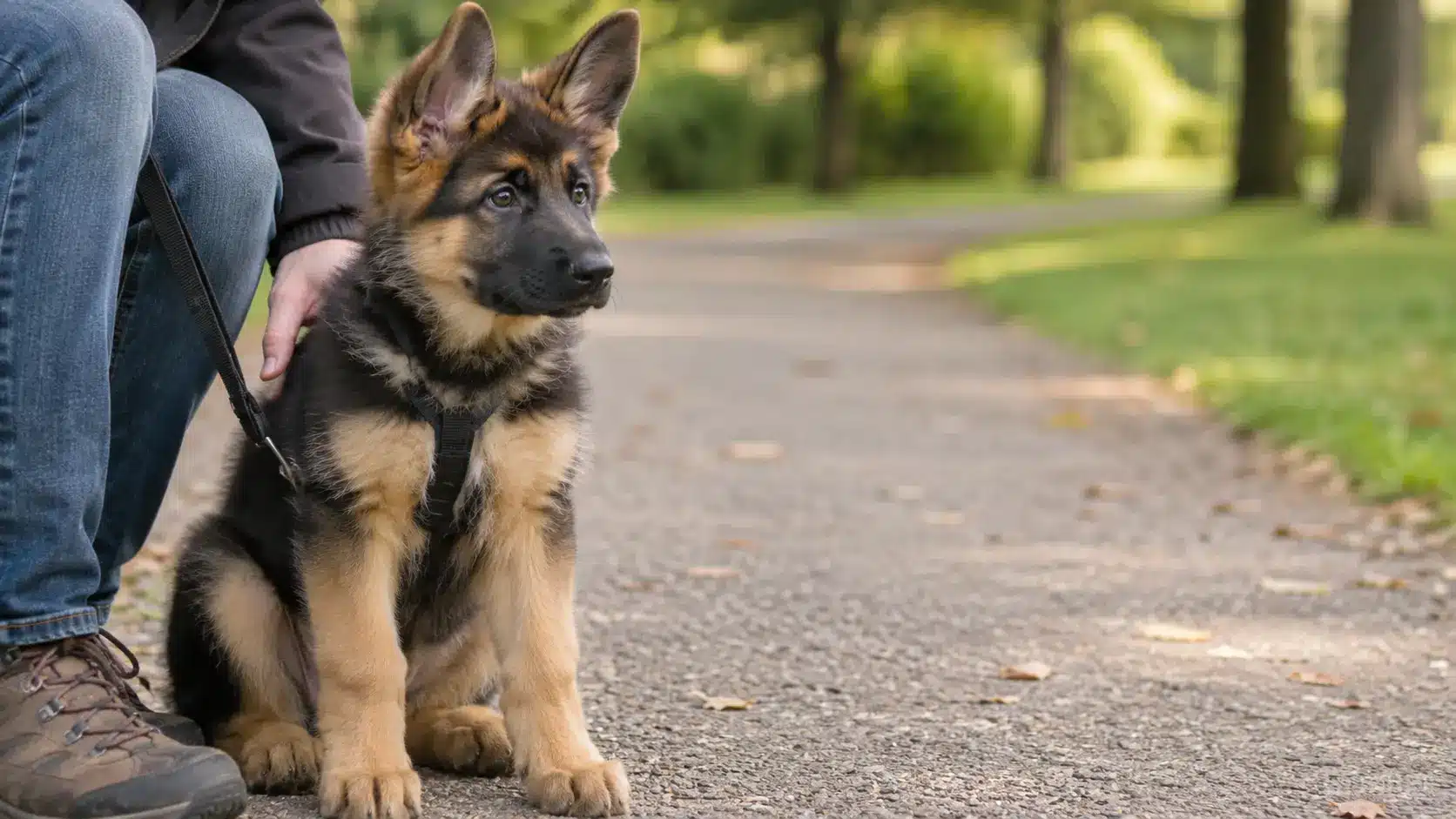
Let your dog explore at a manageable pace. You can reward voluntary check-ins, calm behavior, and coming toward you. Avoid forcing cuddles, hugs, grooming, or introductions to unfamiliar people and dogs.
A quiet dog is not necessarily a fully comfortable dog. Some newly adopted dogs are inhibited or unsure at first. Give them space to choose whether to interact.
What should you train right away?
Start with simple behaviors that support safety: responding to their name, following you a short distance, and settling in a designated area. You don’t need a formal obedience session.
A few gentle repetitions during daily life are enough to help your rescue dog build confidence and develop positive habits.
Days 4–7: Establish household routines
As your dog becomes more familiar with the home, keep building a consistent schedule. Feed on a regular routine, reward bathroom breaks in the correct area, and provide appropriate chews or activities.
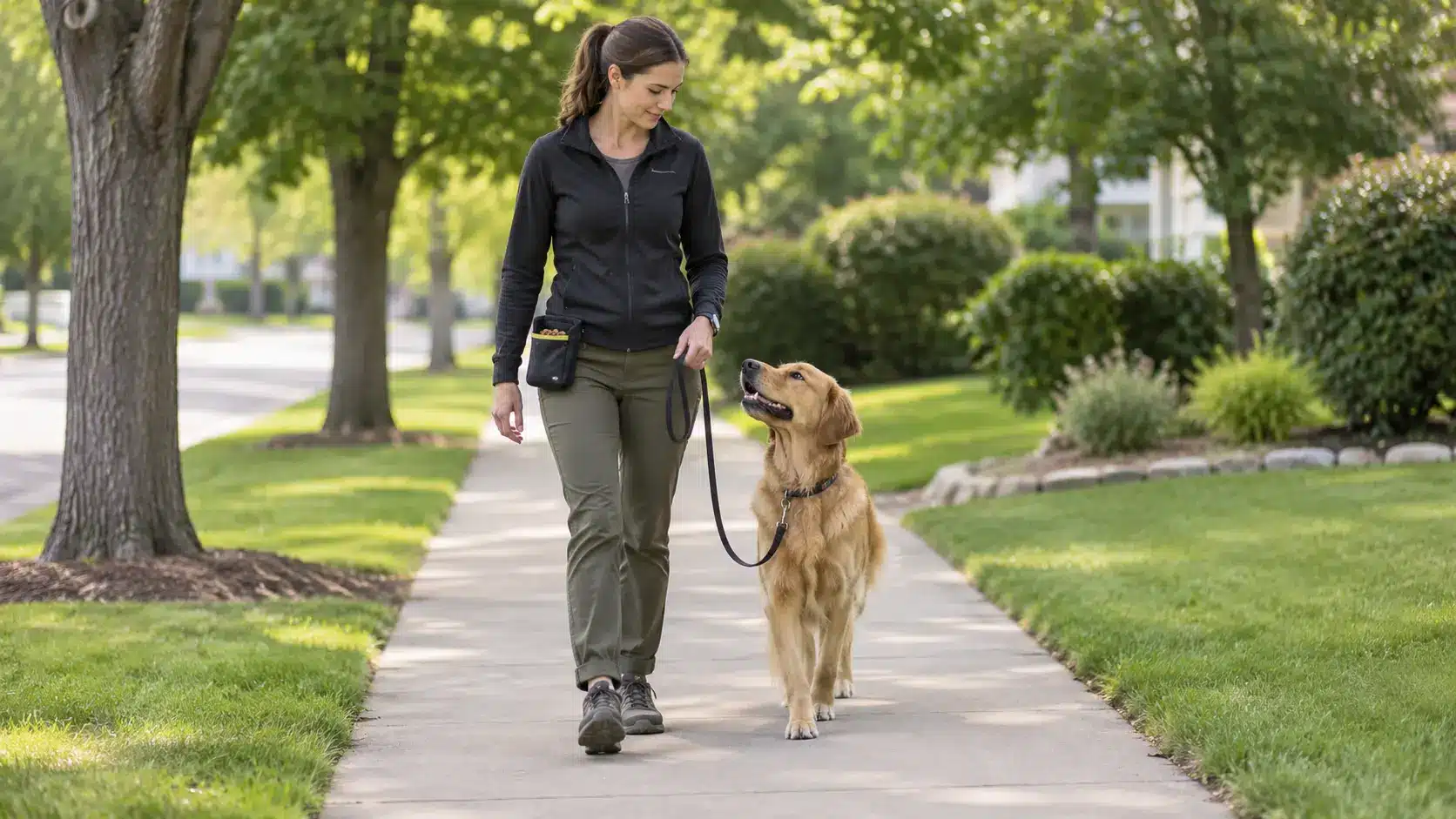
Begin short, low-pressure leash walks in quiet places. Let your dog sniff and take in the environment. If they seem frightened by traffic, people, or other dogs, create distance rather than forcing them to approach.
Make family expectations consistent. Decide where the dog sleeps, where meals happen, and which rooms are off-limits. Clear boundaries are easier for your rescue dog to learn when everyone follows the same rules.
Avoid rushing social introductions
A new rescue dog doesn’t need to meet every neighbor or visit a busy dog park immediately. Controlled, brief exposure to safe environments is more helpful than trying to fit all “socialization” into the first week.
If there are children or other pets in the home, use barriers and adult supervision while relationships develop. Never assume that an introduction is safe simply because the first meeting was quiet.
Days 8–14: Begin foundational skills
Once your dog is eating, resting, and exploring more comfortably, introduce brief training exercises. A few minutes at a time can be plenty.
Practice responding to their name: say it once, reward when they turn toward you, and release them back to what they were doing. Teach a simple “come” in a quiet room before taking it outside on a secure leash or long line. Reward relaxed leash walking when your rescue dog stays near you without tension.
You can also teach a calm settling routine on a bed or mat. Keep the exercise positive and optional at first. The goal is to help your dog understand the home, not demand long periods of stillness.
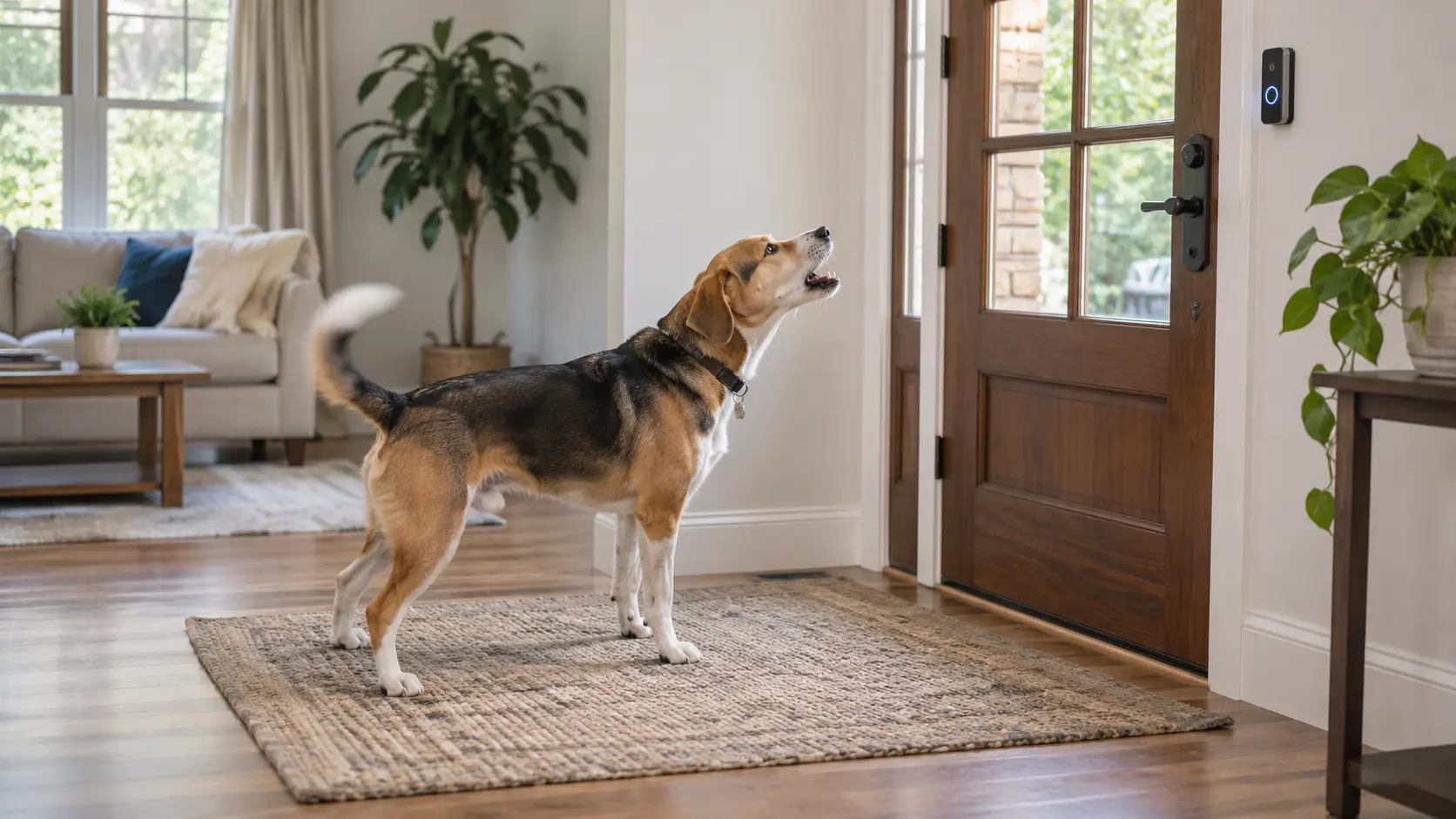
If a behavior problem appears, write down what happened just before it. New barking, avoidance, guarding, or accidents may relate to stress, an unclear routine, or a medical issue. Respond to the cause rather than assuming the dog is being stubborn.
Days 15–21: Expand the world carefully
As confidence grows, introduce one small new experience at a time. This might be a new walking route, a quiet visit from a familiar person, or a short training session in the yard.
Watch body language closely. If your dog freezes, hides, stops taking treats, or repeatedly tries to leave, the situation may be too difficult. Give them more space and reduce the challenge next time.
Continue rewarding choices you want to see: calm greetings, checking in during walks, and resting after activity. Consistency matters more than the number of commands learned.
Days 22–30: Build a plan for the months ahead
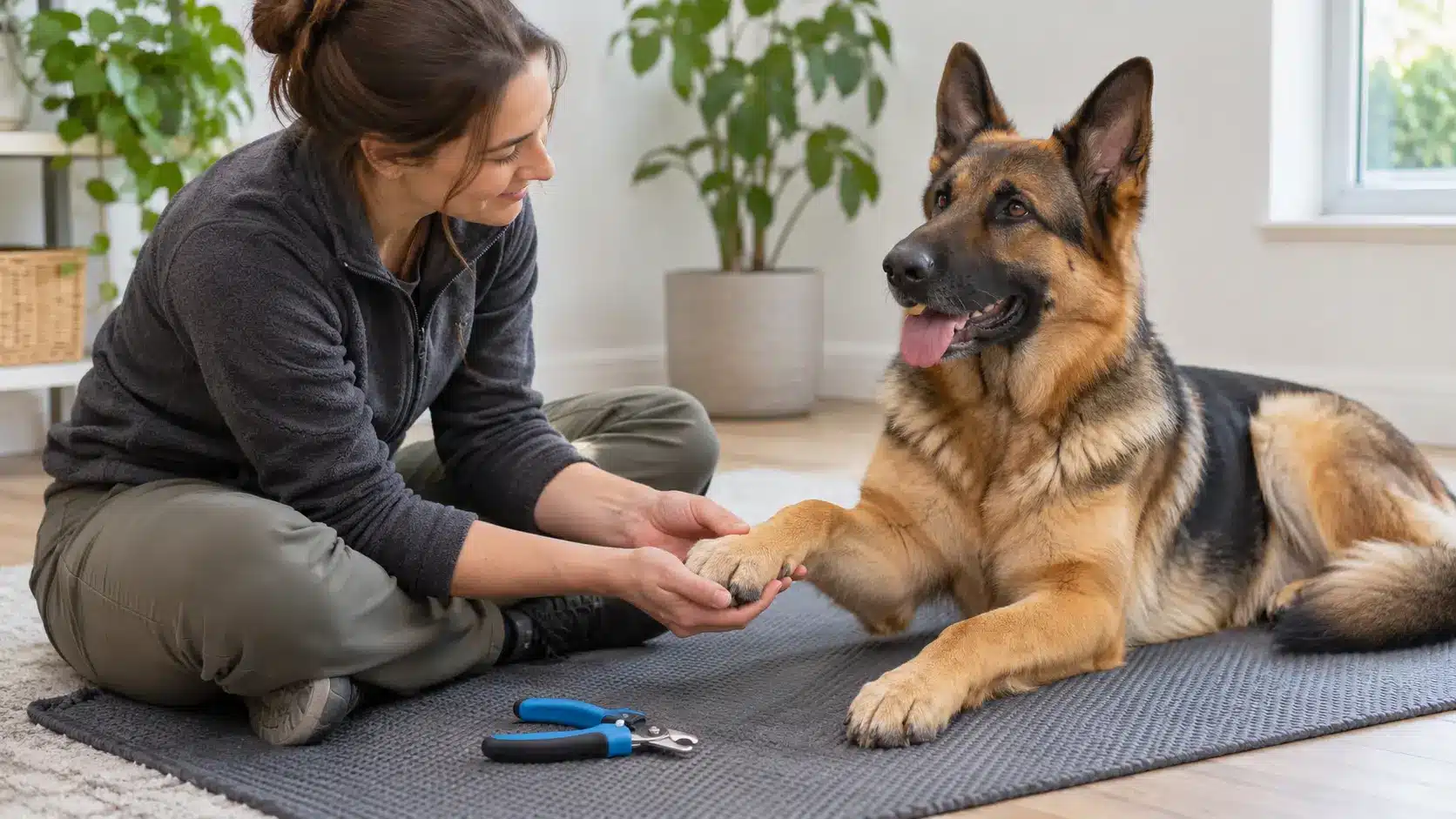
By the fourth week, you may have a clearer picture of your dog’s preferences, triggers, and strengths. Use that information to set specific goals. Perhaps you want to improve leash manners, help with handling, or teach your dog to settle when visitors arrive.
Choose one or two priorities rather than tackling everything simultaneously. Practice in easy settings, then gradually introduce distractions when your dog is ready.
Some dogs are still adjusting after 30 days. That’s normal. The ASPCA’s pet adoption guidance explains how newly adopted pets may gradually settle into their homes over the first days, weeks, and months. Popular “3-3-3” adoption guidance can be a useful reminder to be patient, but it is not a scientific timetable or a promise about individual behavior.
When to seek professional help
Ask your veterinarian about persistent appetite changes, illness, or sudden behavior changes. If your rescue dog shows repeated fear, reactivity, aggression, or signs of severe separation distress, a personalized behavior plan can improve safety and help you avoid accidentally making the problem harder.
Ultimate K9 works with dogs and owners at our single Graham, Washington training facility. For foundational learning at home, explore our Dog Training Foundations course, or contact Ultimate K9 to discuss private training.
Frequently asked questions
Should I take my rescue dog to the dog park in the first week?
What if my rescue dog is having accidents indoors?
When should I start obedience training?
The takeaway
Your first 30 days are not about proving how quickly a rescue dog can learn. They’re about building a dependable routine, understanding the individual dog in front of you, and creating a foundation for a trusting relationship.