
You bring home an adult rescue dog, move to a new house, or suddenly notice that a previously reliable dog is having accidents indoors. Whatever the reason, it can be frustrating to clean up the same spot again and again. But with consistent Potty Training, adult dogs can learn or relearn where to relieve themselves.
The key to potty training an adult dog is a predictable schedule, careful supervision, immediate rewards, and a plan that fits the dog’s health and daily routine. It is not about catching the dog “being bad.” Potty Training is about making the right place and timing easier for your dog to understand.
First, check whether there could be a medical reason
If a dog who was reliably house-trained suddenly starts having accidents, contact your veterinarian before assuming it is a training problem. Urinary tract problems, digestive issues, pain, age-related changes, certain medications, and other health conditions can affect bathroom habits.
Frequent attempts to urinate, straining, blood in urine, increased thirst, or signs of discomfort require veterinary attention. A dog who cannot urinate needs urgent veterinary care. Training should not delay diagnosis or treatment.
Once medical concerns have been addressed—or if your new adult dog simply has not learned your household routine—you can move forward with a consistent Potty Training plan that includes a structured dog bathroom schedule.
According to VCA Animal Hospitals, indoor accidents in adult dogs can result from incomplete house training, medical conditions, or behavioral concerns. Identifying the underlying cause is an important step before developing an effective training plan.
Why adult dogs have accidents indoors
There is no single explanation. A newly adopted dog may have lived outdoors, used a different surface, or never learned to signal at a door. A dog moving from a house with a yard into an apartment may need a different schedule. Some dogs become confused after changes in household routines or when they are left indoors longer than they can comfortably wait, making consistent Potty Training essential for building better bathroom habits.
Other problems, such as urine marking, separation-related distress, or fear of going outside, can look like ordinary house-training accidents but need a different response. If your plan is not working, pay attention to when and where accidents happen rather than assuming the dog is stubborn.
Step 1: Build a predictable bathroom schedule
For the first part of retraining, take your dog outside more frequently than you think you may need to. Common useful times include:
⦁ Immediately after waking up.
⦁ Shortly after meals or drinking a significant amount of water.
⦁ After active play, excitement, or a nap.
⦁ Before a long period indoors or bedtime.
Start with intervals your dog can reliably manage, then extend them gradually as their pattern becomes clear. Avoid imposing a rigid number of hours on every dog; age, health, activity, and individual needs vary. During Potty Training, do not withhold normal drinking water to prevent accidents unless your veterinarian specifically advises it.
Step 2: Take your dog to a consistent outdoor location
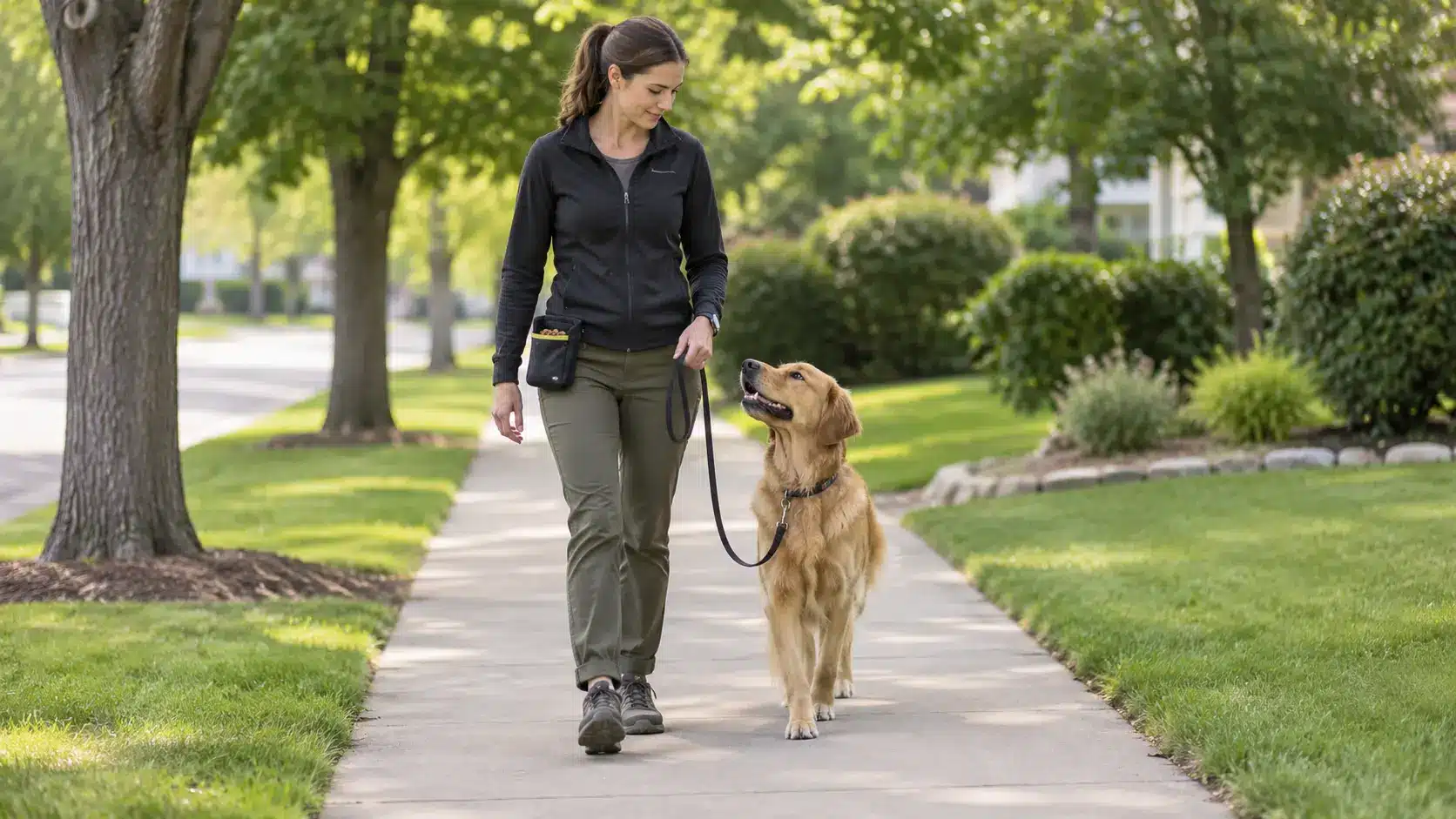
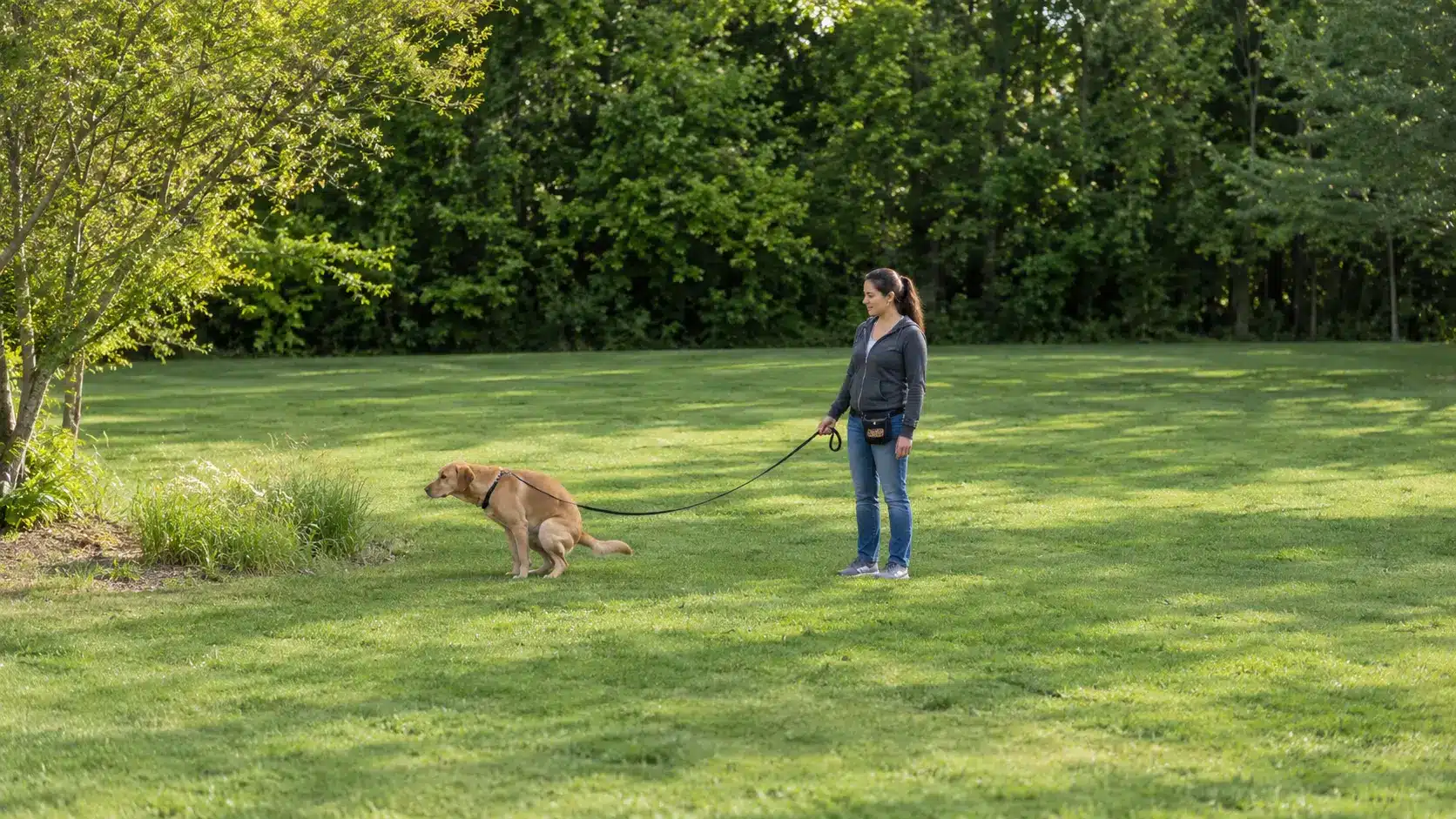
Choose a quiet, accessible bathroom area. Take your dog there on a leash and allow a few minutes to sniff and settle. You can introduce a gentle cue like “go potty,” but avoid repeating it continuously while the dog is distracted.
When your dog finishes outside according to their dog bathroom schedule, immediately give calm praise and a small treat. The timing matters: reward at the right place, right after the behavior. Waiting until you are back indoors makes the connection less clear.
Allow a brief sniffing break afterward when appropriate, so your dog does not learn that going potty always ends the outdoor time they enjoy.
Step 3: Supervise closely indoors
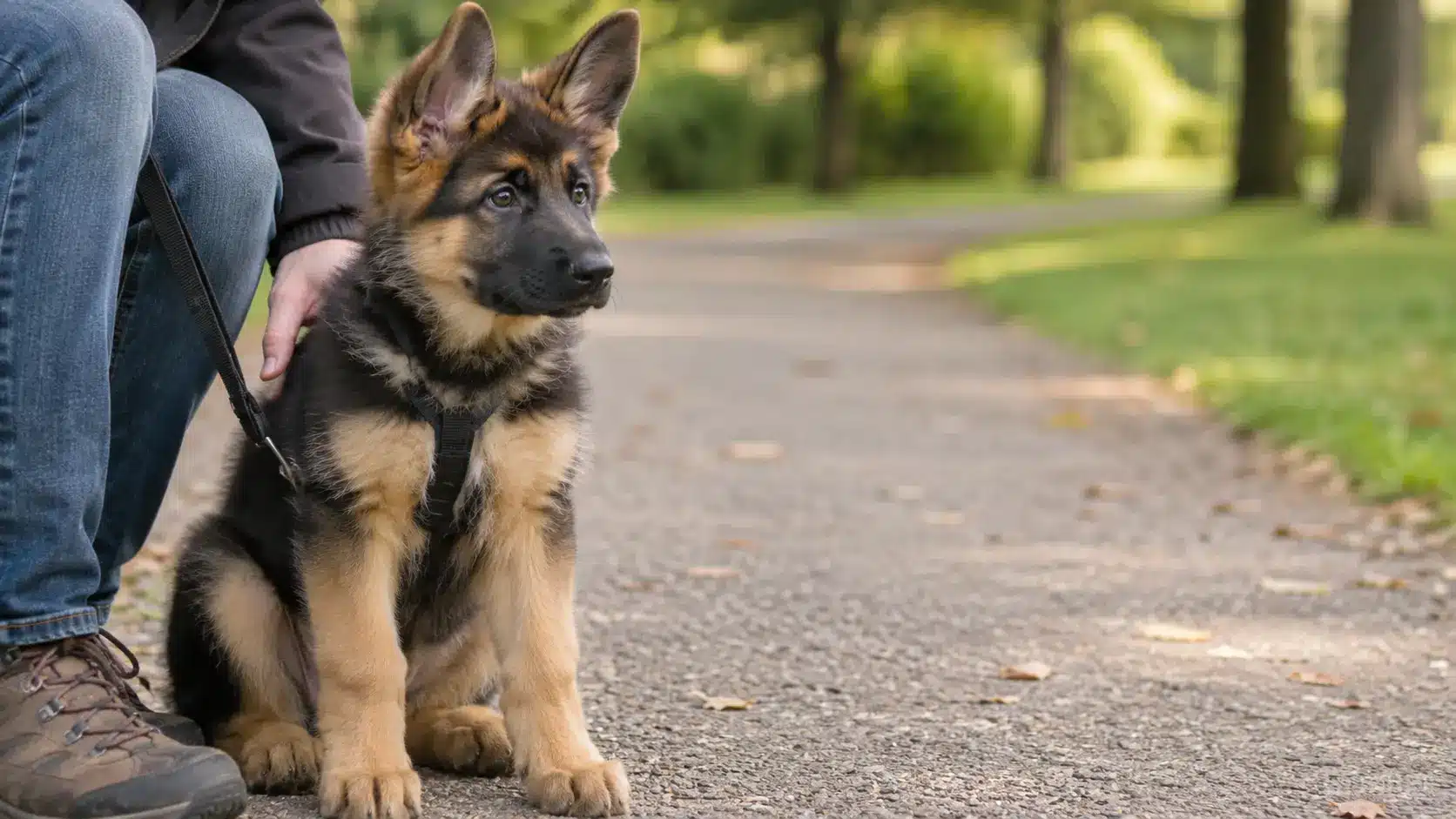
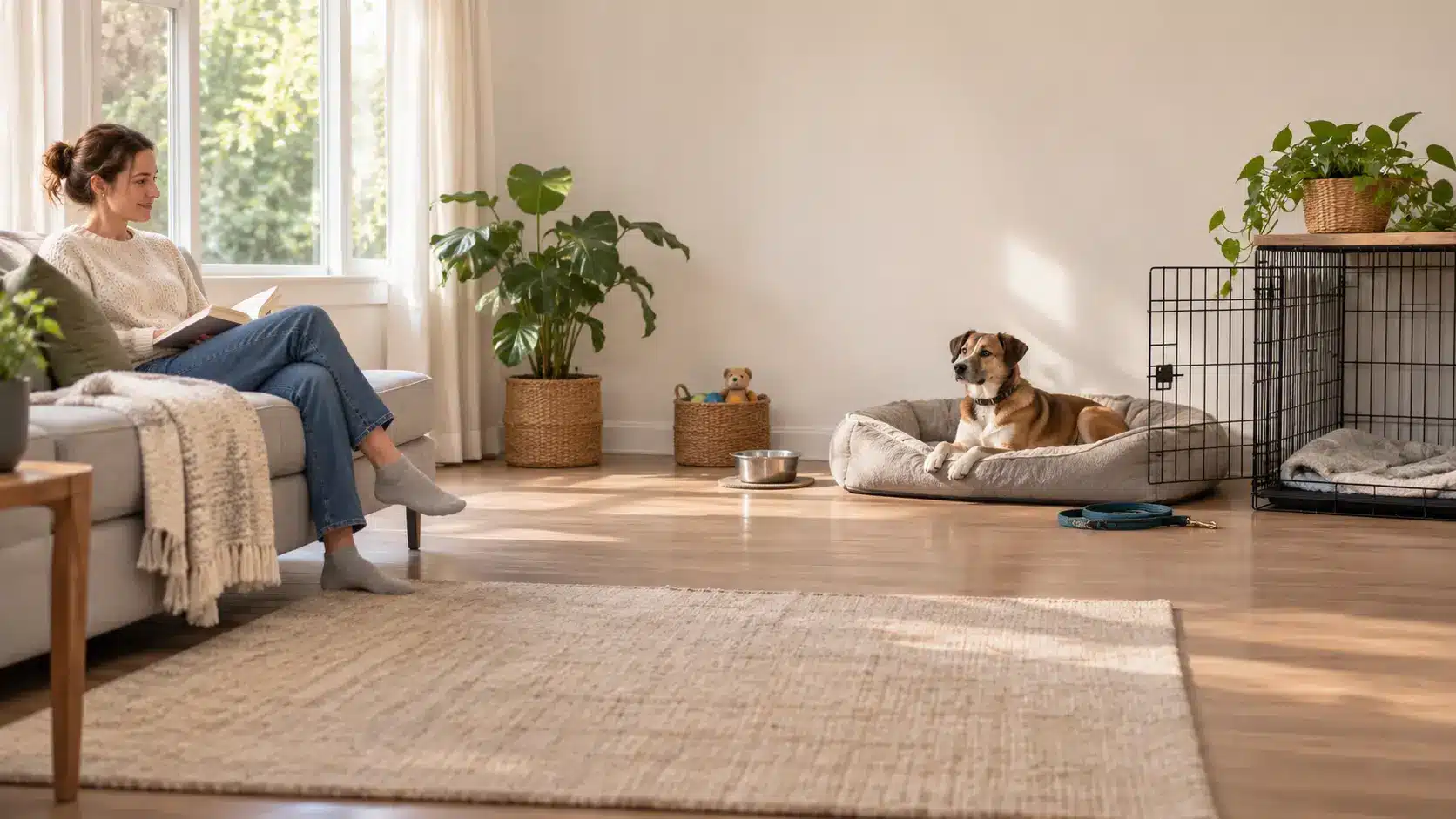
During the early stages, limit opportunities for unsupervised accidents. Keep your dog in the same room with you, use a safe gate, or create an appropriately sized resting area for short periods if they are comfortable with confinement.
Watch for signs such as circling, intense sniffing, moving toward a previous accident spot, or suddenly leaving the room. When you see them, calmly take your dog outside to reinforce good Potty Training habits.
Confinement is not a substitute for bathroom breaks or a consistent dog bathroom schedule. If you need to be away longer than your dog can comfortably manage, arrange help with a potty break or consider a suitable temporary indoor toileting setup.
Step 4: Clean accidents thoroughly and respond calmly
If you discover an old accident, simply clean it. Dogs do not learn the right bathroom location from being scolded after the fact. Punishment during Potty Training can make dogs anxious or encourage them to hide when they need to go.
Use a pet-safe enzymatic cleaner following the product instructions. Ordinary cleaning may leave odors dogs can still detect, inviting them back to the same place.
If you notice your dog starting to go indoors, interrupt gently without startling them and take them outside. Reward if they finish there. Then adjust your supervision and Potty Training schedule to prevent the next accident.
Step 5: Keep a simple bathroom log
A short log can reveal patterns you would otherwise miss. Write down meal times, walks, successful outdoor bathroom breaks, accidents, and how long the dog was left alone.
You may discover that accidents happen shortly after dinner, during long afternoon gaps, or only when the dog is separated from the family. Those details help you decide whether you need more frequent outings, a behavior plan, or veterinary guidance.
A realistic first-week routine
For the first week, focus on consistency rather than expecting a perfect result. Start the morning with an outdoor break, keep meal times reasonably predictable, supervise during active periods, and reward every outdoor success. Build a habit of taking the dog out before predictable accident windows.
Everyone in the household should use the same location, cue, and reward timing. As accidents decrease, gradually give the dog more freedom indoors and carefully extend the time between scheduled outings.
When potty training isn’t the full answer
If a dog repeatedly urinates small amounts on vertical objects, toilets only when left alone, seems distressed outdoors, or continues having accidents despite a consistent routine, the problem may be more than ordinary house training. A veterinarian can assess medical concerns, and a qualified behavior professional can help distinguish marking, fear, and separation-related issues.
At Ultimate K9, our potty training approach is individualized rather than based on one schedule for every dog. We help owners build structure, communication, and everyday habits at our Graham, WA training facility. Learn more about our training services in Graham and frequently asked questions.
Frequently asked questions
Can you potty train a dog that is several years old?
Should I punish my adult dog for indoor accidents?
Why is my house-trained dog suddenly peeing indoors?
Start fresh with a routine your dog can understand
Adult house training is not about resetting your dog’s progress overnight. It is about creating repeated successful experiences in the right place. If you need help establishing household routines or sorting out persistent behavior patterns, contact Ultimate K9 to discuss the next step for your dog.