
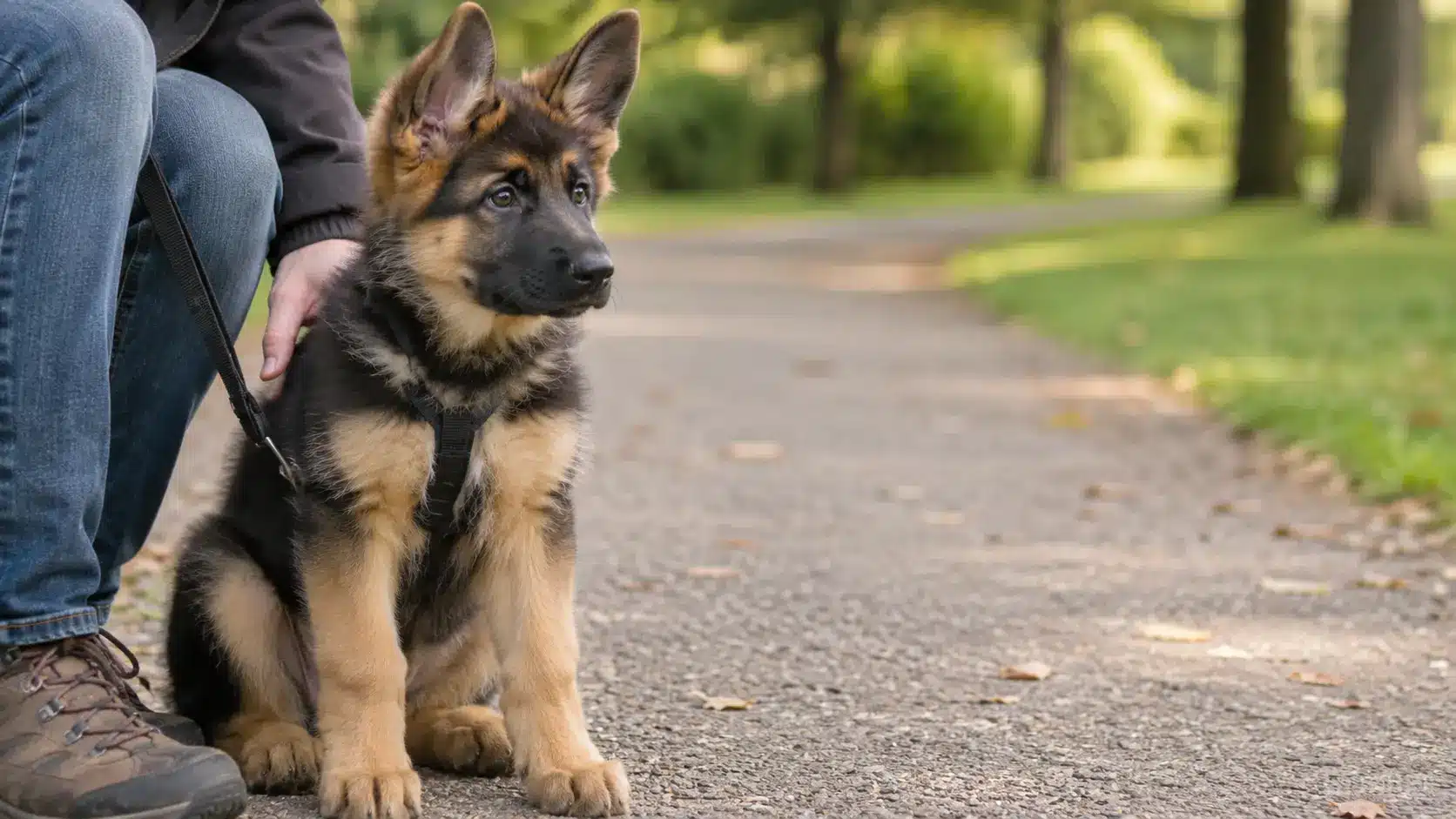
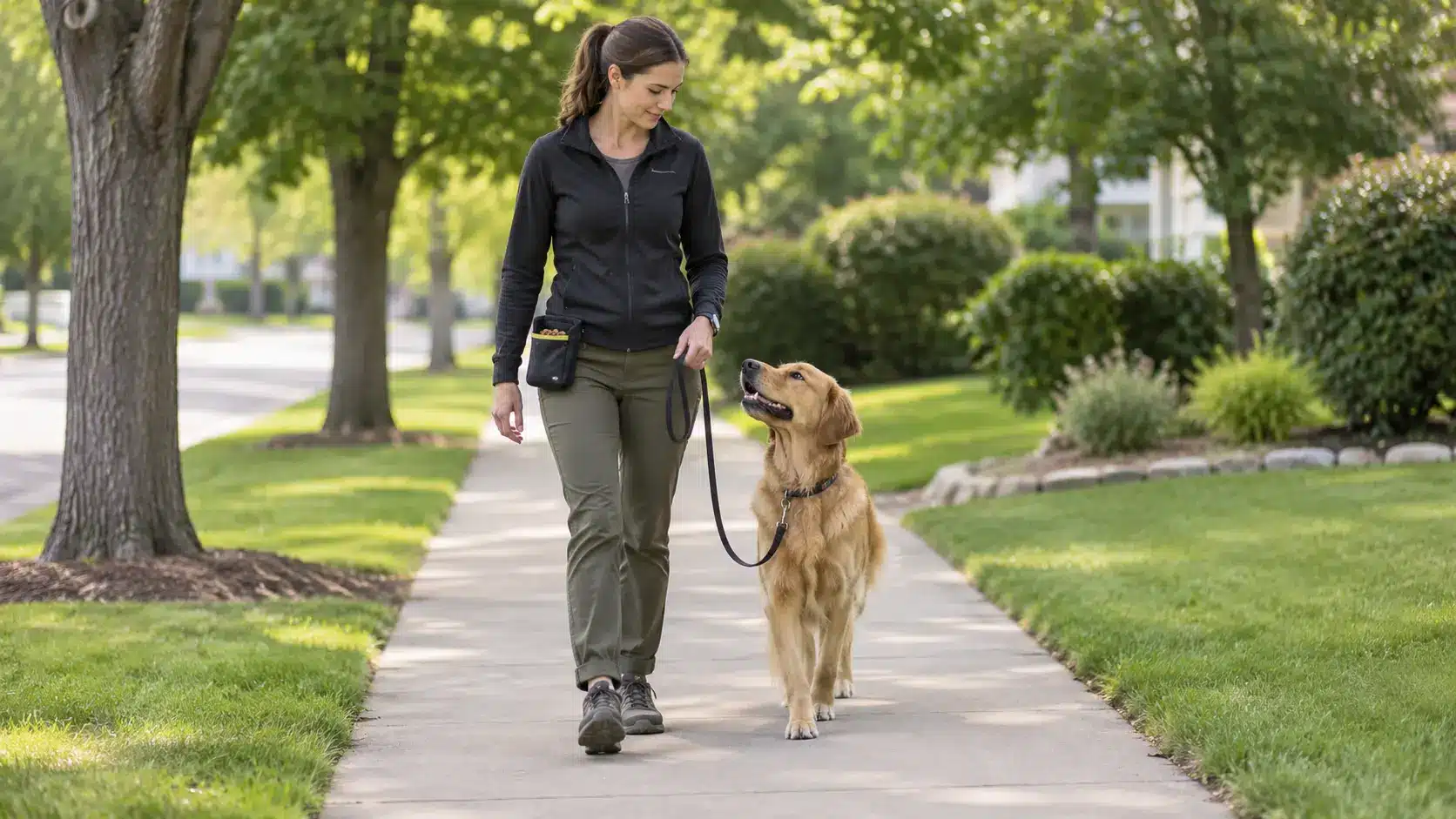
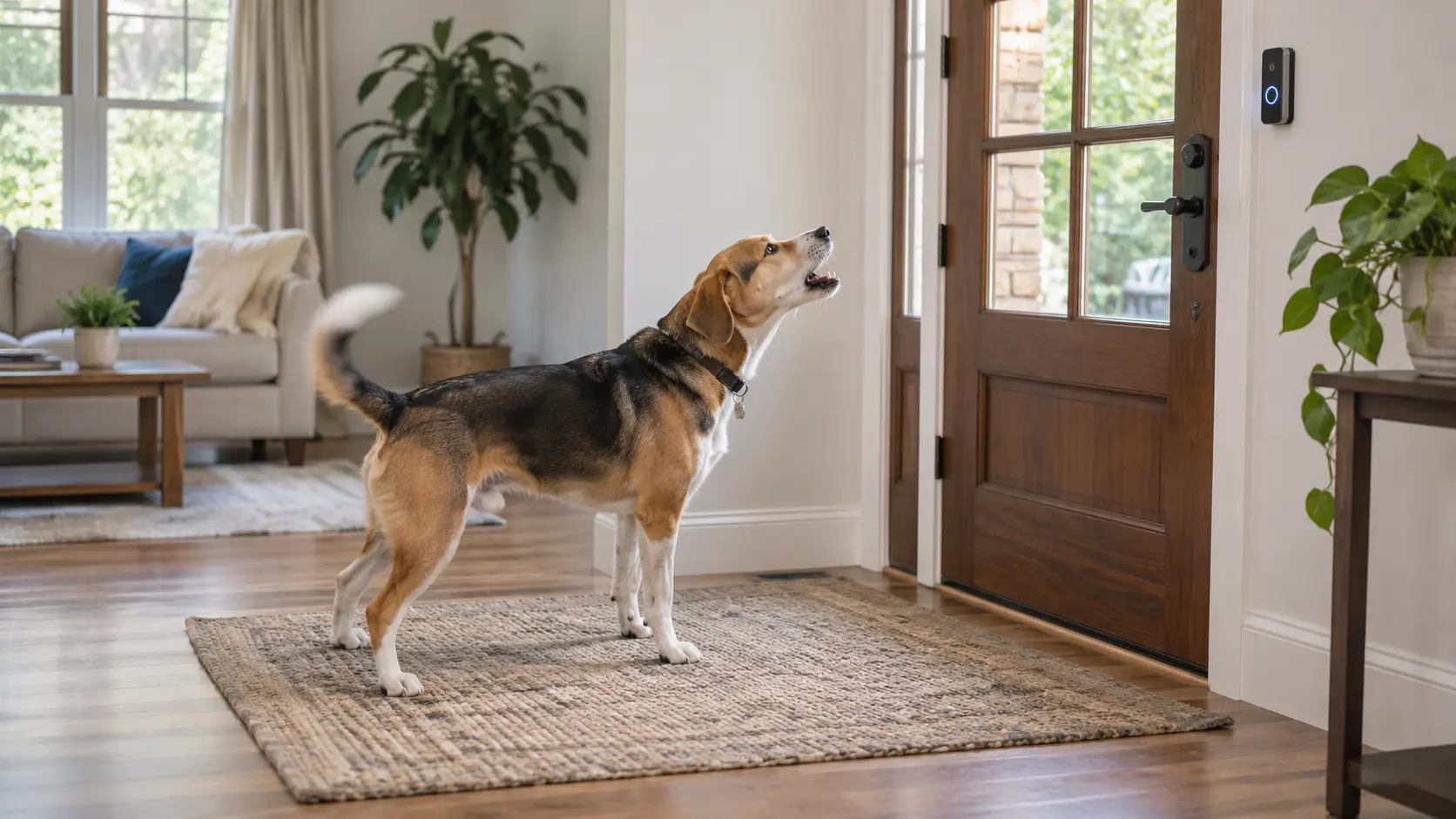


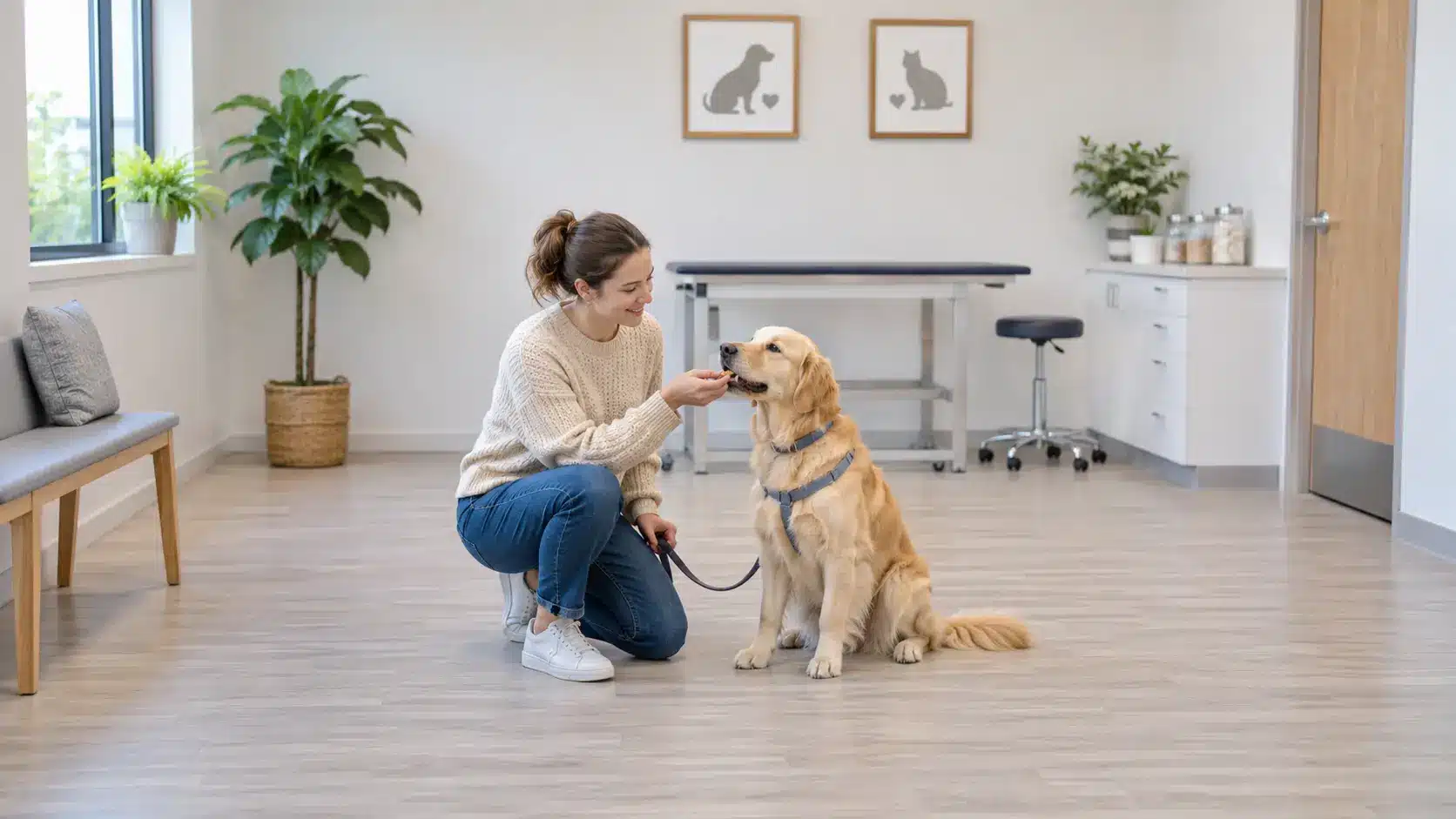
A dog who is playful and relaxed at home can become tense the moment they enter a veterinary clinic or grooming salon. The unfamiliar smells, slippery floors, close handling, and new people can make an ordinary appointment feel overwhelming. When preparing your Dog for Vet Visits, some dogs may freeze or pull away, while others bark, struggle, or snap when they feel trapped.
Learning how to prepare your dog for vet visits begins long before the appointment. With small, predictable exercises, you can teach your dog that being touched, examined, and handled does not always lead to something unpleasant.
Why routine care can feel difficult for dogs
Think about what a dog experiences during a typical visit. A stranger may lean over them, touch their paws, look inside their ears, lift their tail, or ask them to stand still. When preparing your Dog for Vet Visits, remember that a groomer might also introduce clippers, a dryer, a table, or a bath.
A dog who has not practiced those experiences may find them confusing. Pain, a previous frightening visit, or sensitivity to sounds can increase the difficulty. Growling or struggling during handling is often a sign that the dog is uncomfortable—not a reason to push harder.
The goal is not to demand that every dog enjoy every procedure. The goal of preparing your Dog for Vet Visits is to build trust, improve cooperation, and help the veterinary or grooming team work safely.
Start with short, comfortable handling sessions at home
Choose a quiet time when your dog is relaxed. Prepare small food rewards and work for only a minute or two. To prepare your Dog for Vet Visits, begin with a body area your dog already accepts, such as a gentle touch on the shoulder.
When preparing your Dog for Vet Visits, touch briefly, remove your hand, and reward. Repeat until the dog remains loose and comfortable. Then work gradually toward more challenging areas:
⦁ Touch the outside of the ears before attempting to lift an ear flap.
⦁ Briefly touch a front leg before holding a paw.
⦁ Gently lift the lip for a moment before looking at the teeth.
⦁ Touch the collar or harness without pulling the dog toward you.
If your dog becomes stiff, turns away repeatedly, licks their lips, freezes, growls, or tries to leave, make the exercise easier and give them space.
When preparing your Dog for Vet Visits, never turn practice into a wrestling match.
Teach a useful cooperative-care behavior
A simple chin rest can make handling more predictable. Hold your open hand near your dog’s chin and reward any comfortable contact. Over several sessions, build toward the dog resting their chin on your hand for a second or two.
When the behavior is reliable, practice very light handling while the chin remains in place. If the dog lifts their head or moves away, pause. This makes the exercise more collaborative: the dog has a familiar job, and you have a signal that they need a break.
A standing cue and a relaxed “place” behavior can also be helpful for weighing, brushing, and waiting calmly. The objective of preparing your Dog for Vet Visits is to build cooperation, not perfectly still behavior at any cost.
Make grooming tools familiar before using them
Show your dog a brush and reward calm interest before trying a gentle stroke. Repeat with nail clippers, a towel, or an unplugged dryer. For noise-sensitive dogs, begin with the dryer sound at a low level and a distance that does not trigger fear, then pair the sound with something enjoyable.
Introduce one element at a time. A dog who can tolerate a brush in the living room may still struggle with a moving brush near a sensitive spot. Build up slowly, and ask your groomer to tell you which handling skills would be most useful to practice.
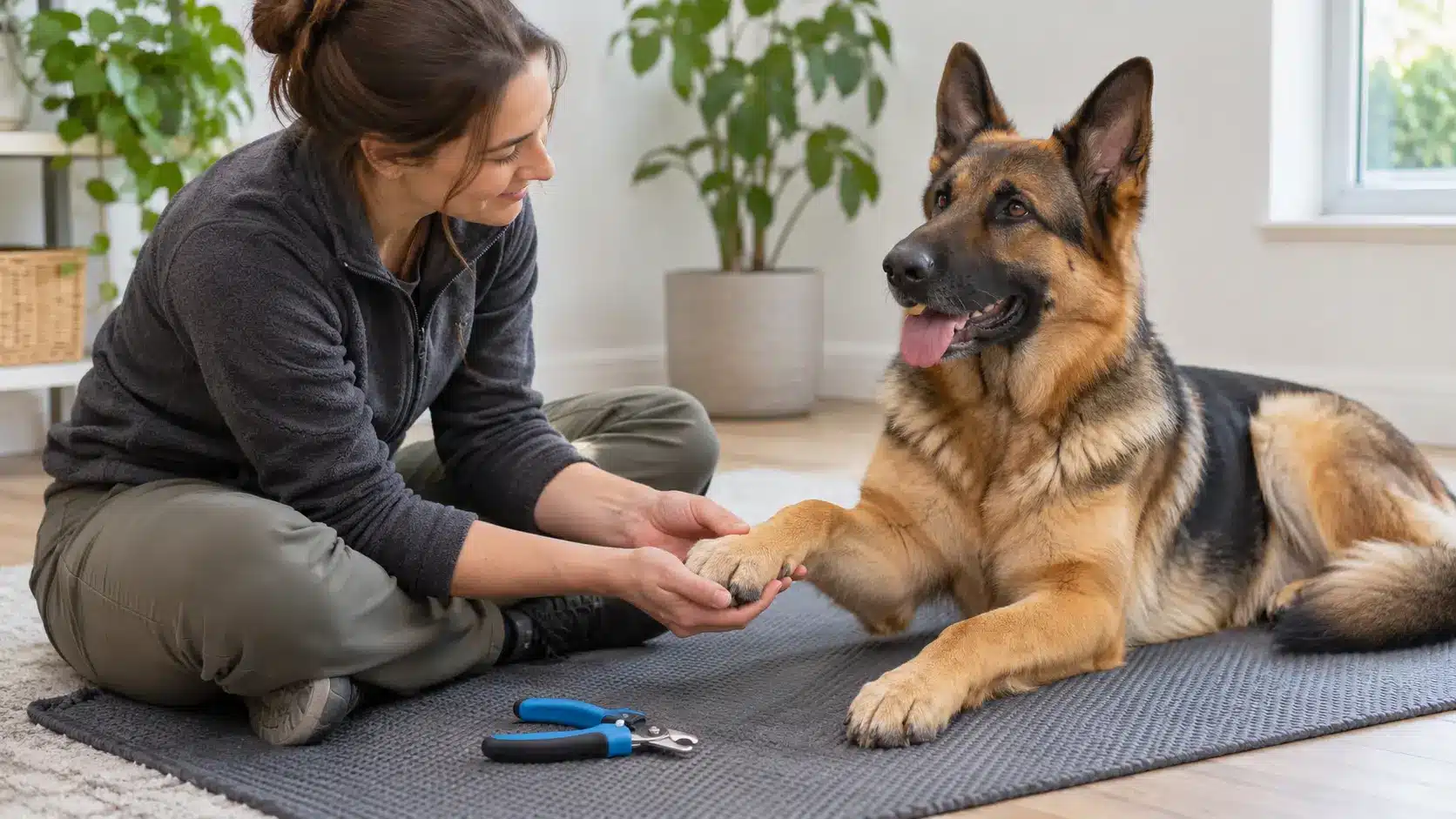
For nail care, touching a paw, holding a toe, hearing a clipper, and trimming a nail are separate training steps. When preparing your Dog for Vet Visits, do not rush through them in one session.
Prepare for the clinic environment
Many dogs begin feeling stressed before they see the veterinarian. You can improve the overall experience by practicing the steps around the appointment:
1.When preparing your Dog for Vet Visits, take short, pleasant car rides that do not always end at the clinic.
2. Practice entering unfamiliar but dog-friendly spaces when appropriate.
3. Ask the veterinary practice whether they offer brief, non-medical “happy visits” or a quieter arrival plan.
4. Bring rewards your dog genuinely enjoys, along with a secure leash and harness.
5. Allow extra time so you are not rushing through the parking lot or waiting room.
For dogs who are very frightened, discuss the plan with your veterinarian before the appointment. The veterinary team may recommend changes to handling, a different appointment arrangement, or medical support for anxiety. Never delay essential veterinary care in order to finish a training program.
According to VCA Animal Hospitals, gradually introducing dogs to veterinary environments, using positive rewards, and practicing short training sessions can help reduce fear and stress during vet visits. Copy
What to do if your dog growls or snaps during handling
Stop the exercise and create space. Do not punish growling, force an examination for practice, or assume the dog is being defiant. When preparing your Dog for Vet Visits, remember that pain or fear can be involved, and pushing through warning signals can increase bite risk.
Tell your veterinarian about the behavior before the visit so appropriate safety precautions can be arranged. A qualified trainer can then help you build safer handling routines around the veterinary plan. More serious aggression cases may call for a specialized evaluation; you can read about Ultimate K9’s aggression and behavior assessment approach.
A practical weekly preparation routine
You do not need long sessions. Try short practices during the week: a few gentle paw touches on Monday, ear handling on Tuesday, a chin rest on Wednesday, a brush introduction on Thursday, and a brief review on Friday.
Repeat easier steps when your dog needs more time during Dog for Vet Visits training.
Repeat easier steps when your dog needs more time to build confidence and feel comfortable as you prepare your Dog for Vet Visits.
Progress is not measured by how much handling you can get through. It is measured by your dog’s ability to stay comfortable, recover quickly, and participate without panic.
Frequently asked questions
Can an adult dog learn to tolerate grooming?
Should I hold my dog still until they stop resisting?
What should I tell my groomer or veterinarian before the appointment?
Build confidence beyond the exam room
Handling skills are part of broader training: clear communication, predictable routines, and trust help dogs cope with unfamiliar experiences. At Ultimate K9’s training facility in Graham, WA, we help owners develop practical skills that carry over into everyday life. Explore our dog training services in Graham or contact us to talk through your dog’s handling concerns.
One Response