
Walking your dog should be enjoyable.
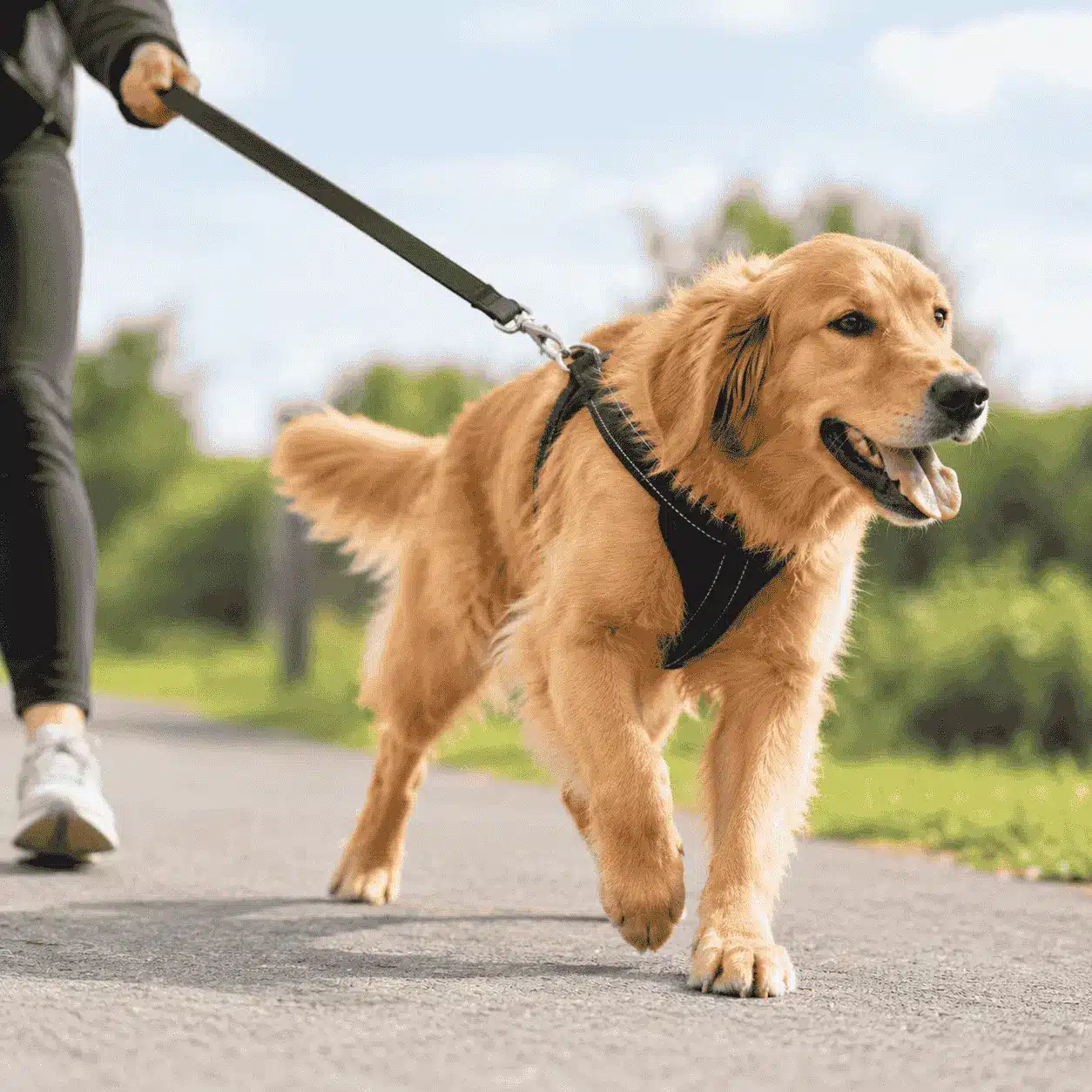
But when your dog pulls by dragging you down the sidewalk, lunging toward distractions, or constantly tightening the leash, even a short walk can become frustrating.
The first step toward improving leash walking is understanding why dogs pull in the first place.
Pulling Often Works
Dogs learn from consequences.
If your dog pulls toward a tree and eventually reaches the tree, pulling worked.
If your dog drags you toward another dog and gets to greet the dog, pulling worked.
Even when the owner is saying “no” the entire time, the dog may still be rewarded by reaching what they wanted.
Over time, the behavior becomes stronger.
Excitement and Lack of Impulse Control
Some dogs simply become highly excited outside.
The environment is full of:
- Smells
- People
- Animals
- Vehicles
- Movement
- New places
A dog that has not learned impulse control may be more likely to dog pull toward distractions that seem much more important than the person holding the leash.
Good leash training therefore involves more than physically preventing pulling; it requires effective dog training that builds communication, engagement, and impulse control.
We want the dog to learn how to remain engaged with the handler even when the environment becomes exciting.
Anxiety or Reactivity Can Also Cause Pulling
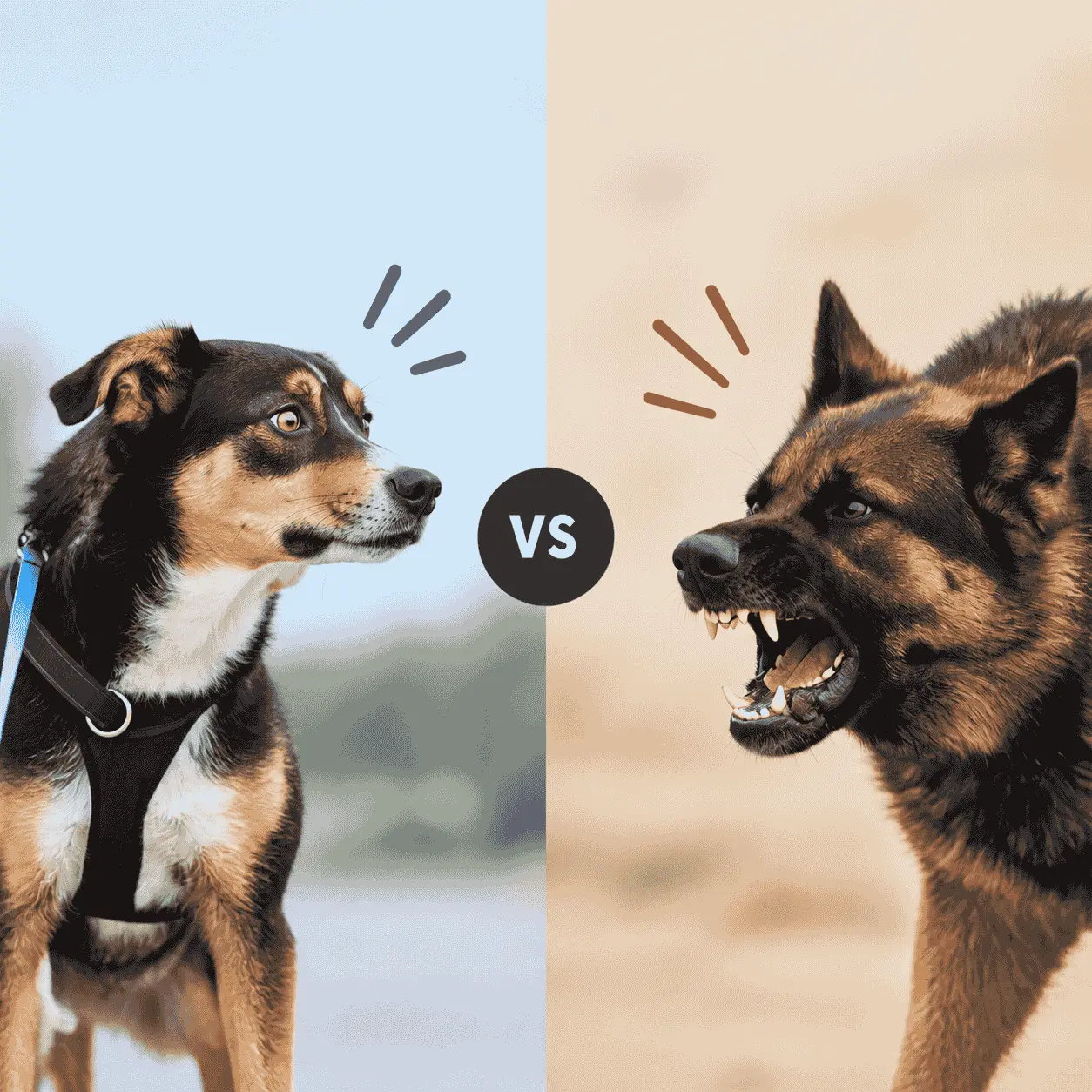
Not all pulling comes from excitement.
Some dogs pull because they’re uncomfortable.
A dog may attempt to:
- Rush toward another dog
- Escape from something frightening
- Bark and lunge
- Create more distance
In these cases, the pulling may be connected to fear, frustration, over-arousal, or reactivity.
Simply correcting the leash behavior without understanding the underlying emotion may not solve the larger problem.
Teaching Loose-Leash Walking
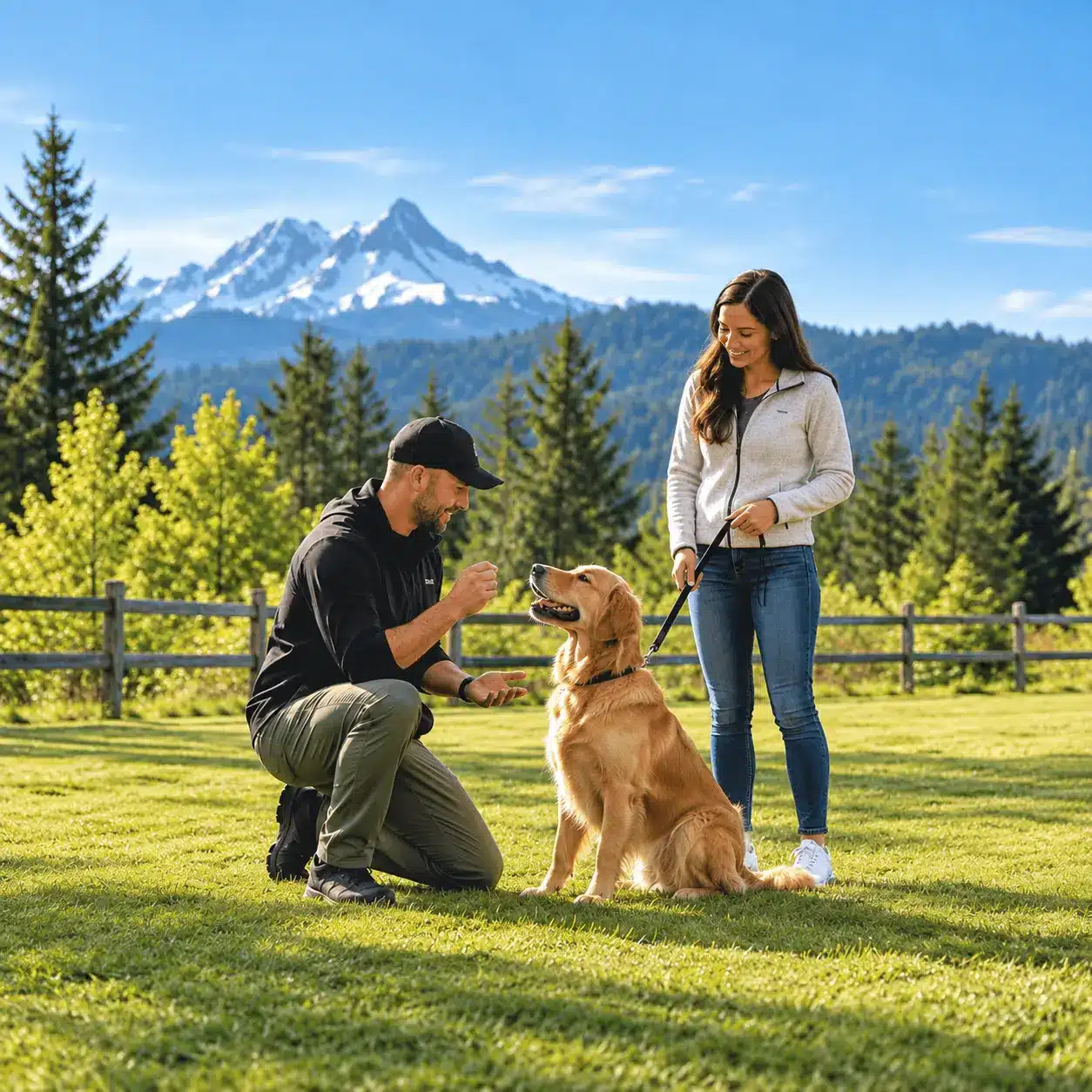
Good leash walking starts by teaching the dog that staying connected with the handler is rewarding.
Depending on the dog, training may involve:
- Rewarding the dog for being in the correct position
- Changing direction when attention is lost
- Practicing around low-level distractions first
- Teaching engagement
- Building impulse control
- Using clear leash communication
- Gradually increasing difficulty
Consistency matters.
If pulling is allowed during some walks but corrected during others, learning becomes much harder.
Training Tools Are Only Part of the Picture
Leashes, collars, long lines, harnesses, and other training equipment can help communicate with a dog, but equipment alone does not teach good leash behavior.
A balanced approach considers:
- The dog’s temperament
- The reason for the pulling
- The handler’s skill
- The environment
- The dog’s training history
- The appropriate tool for that particular dog
A tool should support communication, not replace training.
At Ultimate K9, the focus is on helping owners understand how and why to use training equipment appropriately rather than simply handing someone a tool without instruction.
Reward What You Want
Balanced training still includes reinforcement.
When your dog:
- Checks in with you
- Walks beside you
- Ignores a distraction
- Responds to leash pressure
- Chooses calm behavior
there should be a meaningful consequence.
Depending on the dog, that may include:
- Food
- Praise
- Play
- Permission to sniff
- Forward movement
Dog Training becomes much clearer when the dog understands both how to avoid unwanted pressure and how to earn things they value.
Don't Wait Until the Walk Is Out of Control
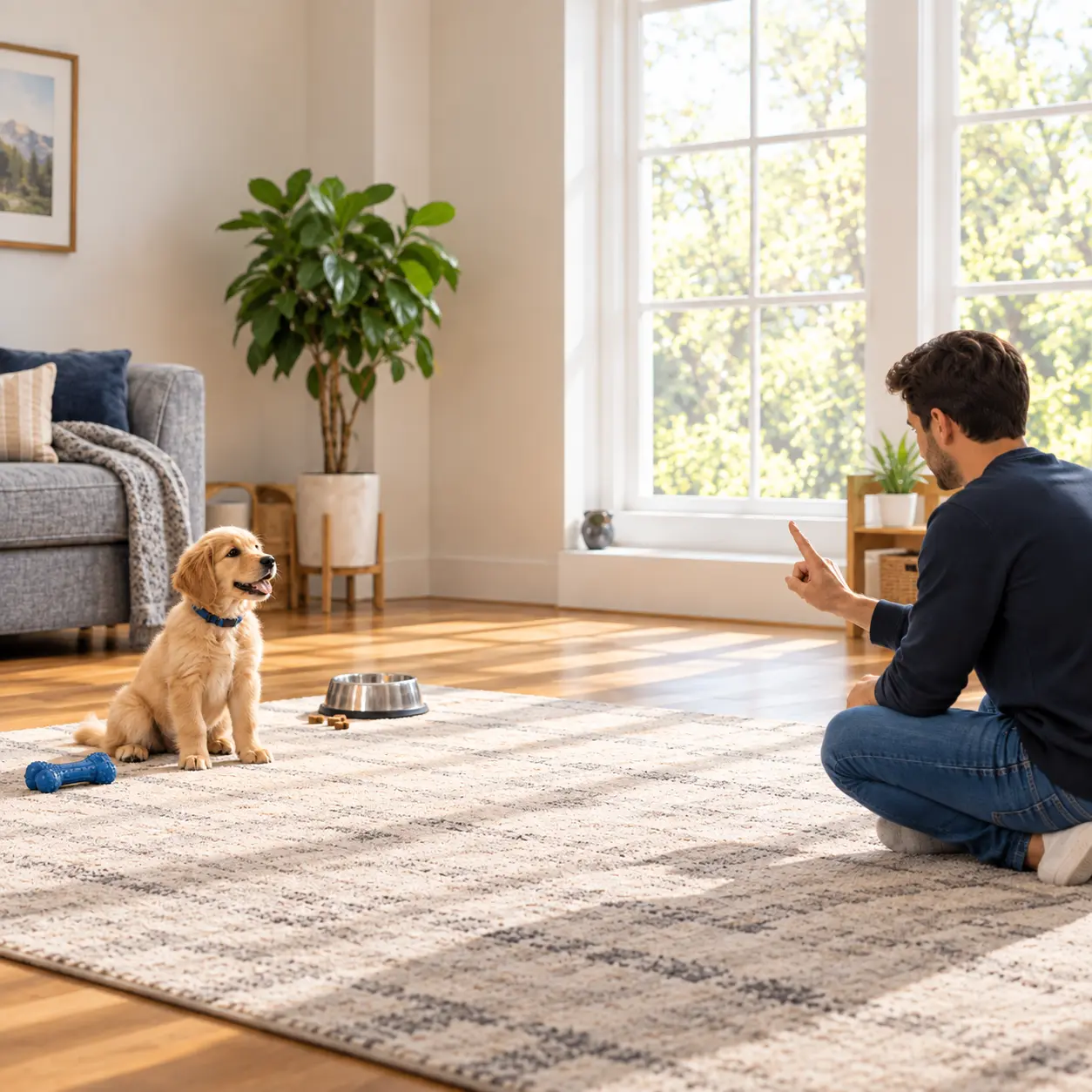
Practice leash skills in easier environments first.
Your driveway, yard, or quiet street may be much better for learning than immediately attempting to train next to a busy dog park.
Build success gradually.
As your dog’s skills improve, introduce more distractions.
Better Walks Begin With Better Communication
Leash pulling usually isn’t solved by simply pulling back harder.
Long-term improvement comes from better communication, consistent expectations, engagement, and teaching your dog how to behave around distractions.
If pulling is combined with barking, lunging, fear, or aggression, professional help can also make the process safer and clearer.
Ultimate K9 works with obedience, leash manners, reactivity, and real-world reliability as part of its training programs. ultimatek9.co